Sunday, 12 February 2012

Places to Paint: David Hockney and East Yorkshire

The Hockney Trail is a new website which provides an insight into all the places where David Hockney has been painting in East Yorkshire - and in particular those which can be seen in the David Hockney RA - The Bigger Picture exhibition at the Royal Academy of Arts

This is a major contribution to the "places to paint" theme which I return to periodically on this blog.  If I can locate the place where John Singer Sargent painted a painting, then surely it's possible to do the same for a contemporary painter like Hockney?  This website would suggest that's the case.

The Hockney Trail website
It was also bound to happen - and, as it happens, this website has done the job rather well - BUT with a major caveat (see end).

The Hockney Trail provides:
I made a few discoveries of my own.  First here are the locations I've found since reviewing the website
  • this is the location of "The Tunnel" which is the subject of a number of the paintings in the exhibition - and also one of the films.  It's on the right of the Kilham Road to the west of Kilham, going towards Langtoft.  It's a long straight farmer's track between his fields
Hockney's Tunnel

David Hockney
A Closer Winter Tunnel, February - March, 2006

Oil on 6 canvases, 182 x 365 cm
Collection Art Gallery of New South Wales.
Purchased with funds provided by Geoff and Vicki Ainsworth, the Florence and William Crosby Bequest
and the Art Gallery of New South Wales Foundation 2007
Copyright David Hockney / Collection of Art Gallery of New South Wales, Sydney
Photo credit: Richard Schmidt

This is Woldgate and the location of Winter to Spring in Woldgate the major installation in the main Gallery at the RA (see yesterday's post Hockney: 51 iPad drawings on paper - Winter to Spring in Woldgate).  I estimate it's about 10 minutes from Hockney's house in Bridlington and is a brilliant spot to be able to get to quickly when the light looks good.
    • Woldgate is an old Roman Road which runs between Bessingby Hill on the outskirts of Bridlington and the village of Kilham.  
    • This is the Hockney Trail page for Woldgate.  
Woldgate
and this is one of the digital paintings Hockney did on his iPad in this location.

David Hockney
The Arrival of Spring in Woldgate, East Yorkshire in 2011 (twenty eleven) - 2 January
iPad drawing printed on paper
144.1 x 108 cm; one of a 52-part work
Courtesy of the artist
Copyright David Hockney

I have to confess this location hunting is addictive.  I think that's it for today - but I'll be back.......

The second thing I discovered yesterday is that East Yorkshire has the Wold Wide Web - with links to pages about all the villages in the Wolds.  How about that for an example of Yorkshire humour?

But how long will it be around?

My only query about the The Hockney Trail website is whether or not it's authorised.

It doesn't seem to have any sort of formal association with either the artist or any of the sponsors of the current exhibition at the Royal Academy.  I don't think it falls within the normal copyright exemptions for the use of Hockney images given the adverts which are visible in my other browser which doesn't block adverts (you're seeing the advert-free version - and I'd written most of this before I realised it had them!).

My current thoughts are that maybe the originator is well intentioned but maybe not aware of just how jealously the Hockney empire protects the copyright.  I think he might find somebody giving him the virtual tap on the shoulder sometime soon.  It would also appear that maybe the images of some paintings have already been taken down......

PS  I am by the way posting a scheduled post.  I'm actually currently sat in the RA having lunch with my sister after having just seen the exhibition for the third time!  Join the Friends of the RA and go as many times as you want - and take an adult family guest for free!


Links to related posts about Hockney and the exhibition:

Saturday, 11 February 2012

Hockney: 51 iPad drawings on paper - Winter to Spring in Woldgate

SkyNews have produced the first video film I've seen which provides a good view of the printed iPad landscapes of East Yorkshire as drawn by David Hockney - which can be seen in the David Hockney RA - The Bigger Picture exhibition at the Royal Academy of Arts

The two rows of large "paintings" on three sides of the largest of the Academy’s Galleries (Gallery 3) are 51 iPad drawings printed on paper.  These together with an oil on thirty-two canvases comprise the installation titled ‘The Arrival of Spring on Woldgate, East Yorkshire in 2011 (Twenty-Eleven)

It's a sequence of paintings from the beginning of January 2011 through to early June 2011 - and shows the movement from the winter landscape through to the spring landscape.


A lot of the iPad drawings are done along the same road which features in a lot of the paintings
Woldgate is a narrow lane that runs from Bessingby Hill on the outskirts of Bridlington to the village of Kilham which is 7 miles away. It was on this road that David Hockney observed many different seasons and recorded what he saw using his iPad and on canvas with paints.
Woldgate
I'm taking my sister to see the exhibition tomorrow - it will be my third visit!  See Making A Mark - Review: David Hockney RA - A Bigger Picture

MIDNIGHT OPENINGS: 'David Hockney RA: A Bigger Picture' is now open until midnight on Fridays and Saturdays

See also:

Friday, 3 February 2012

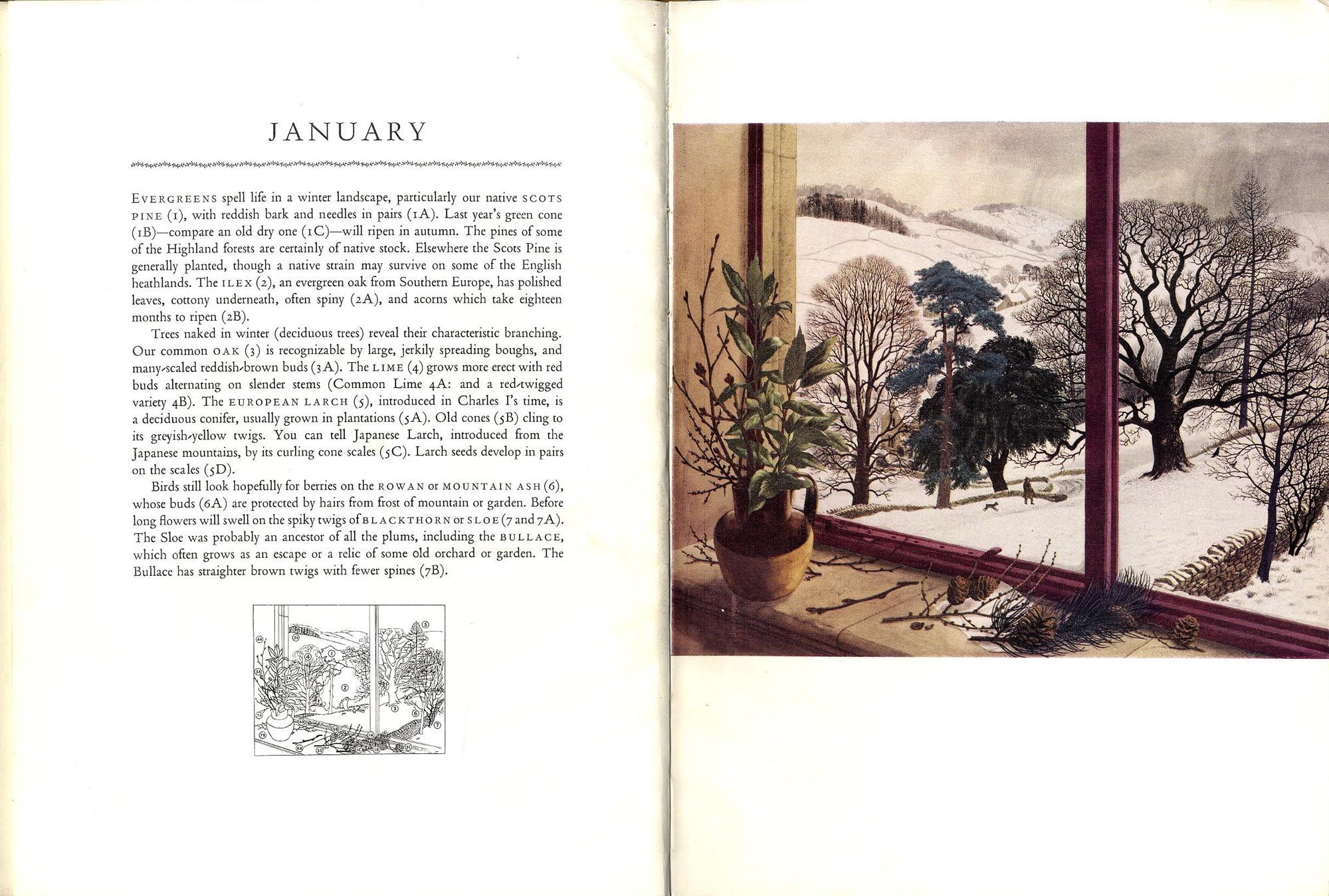
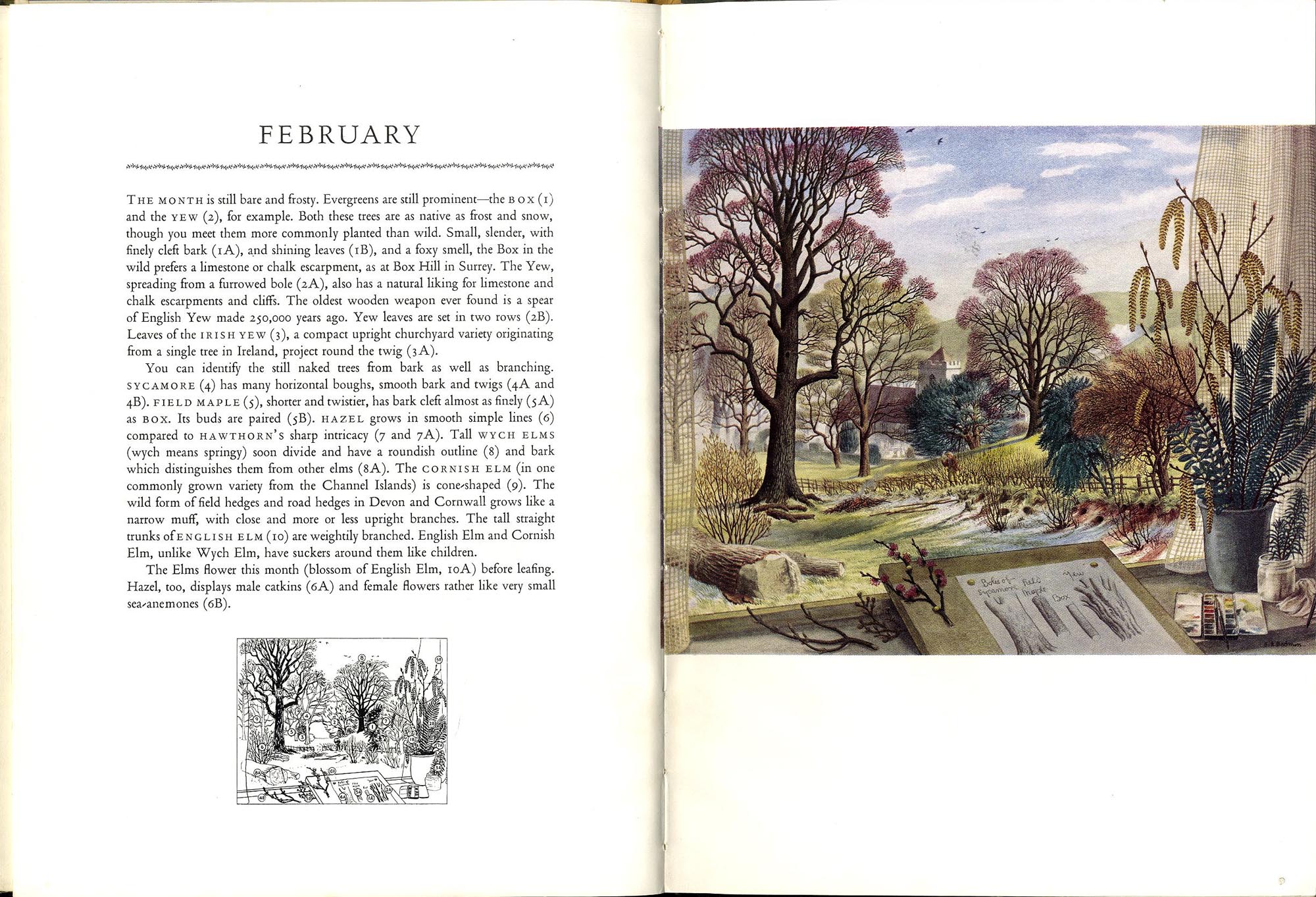
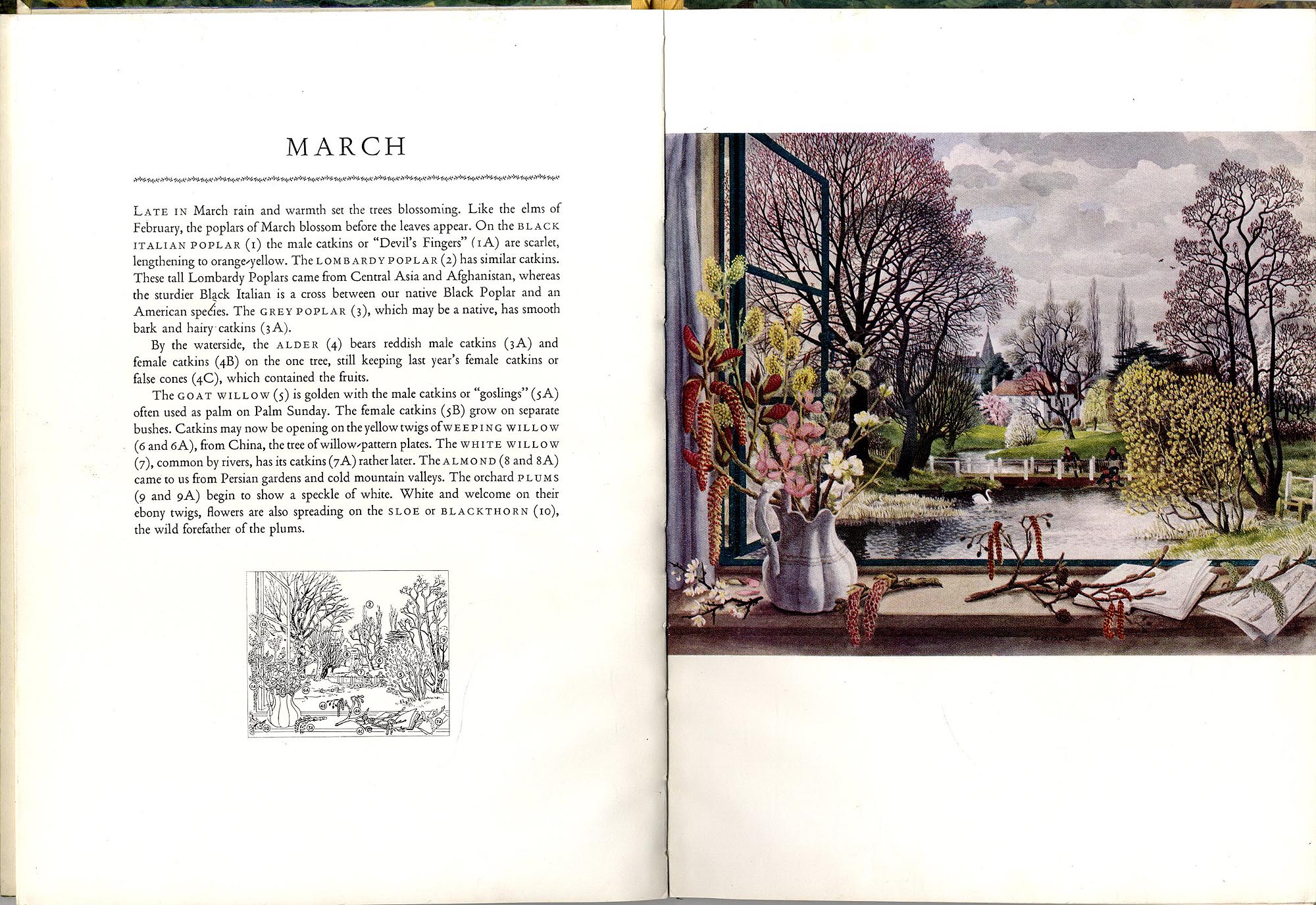
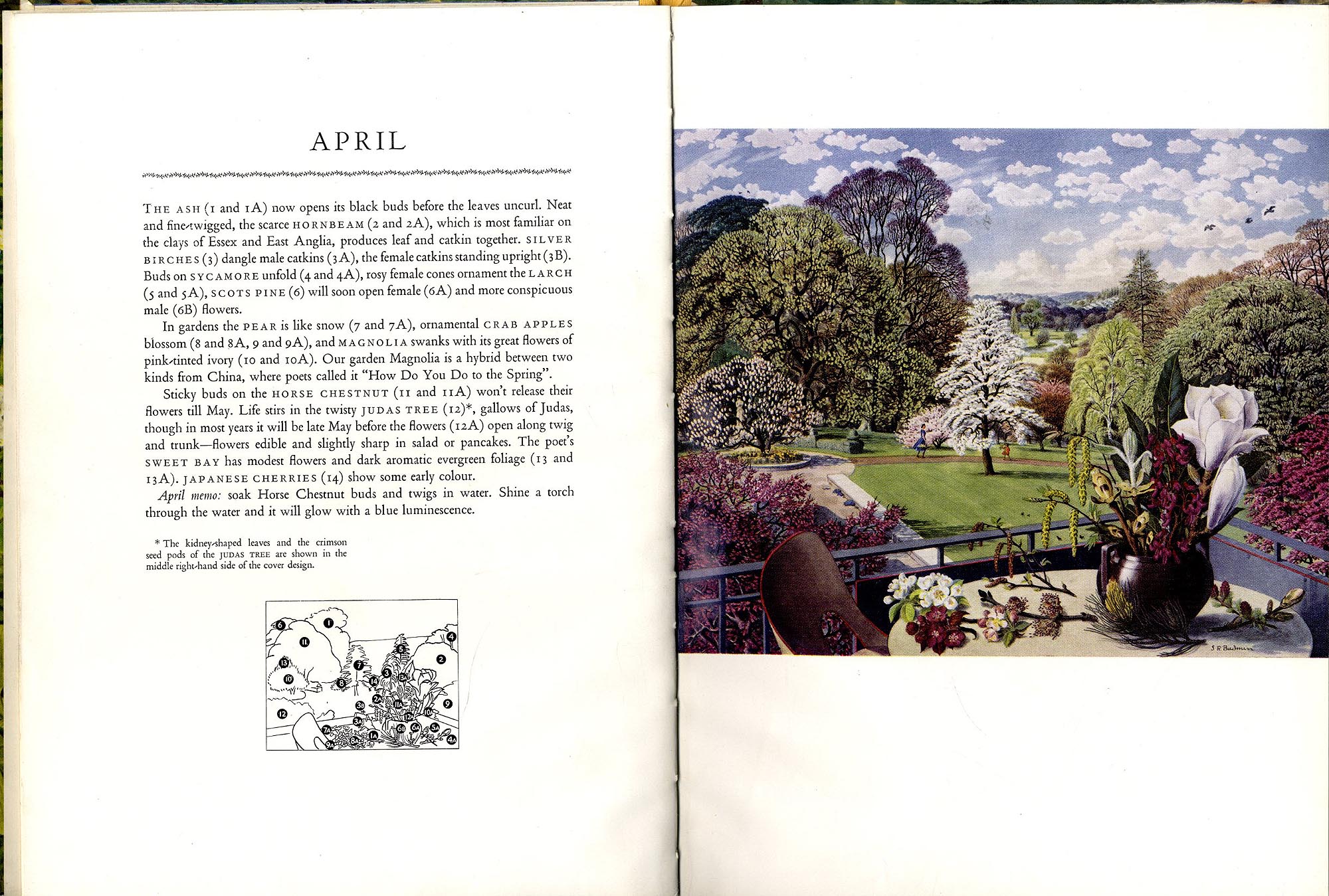
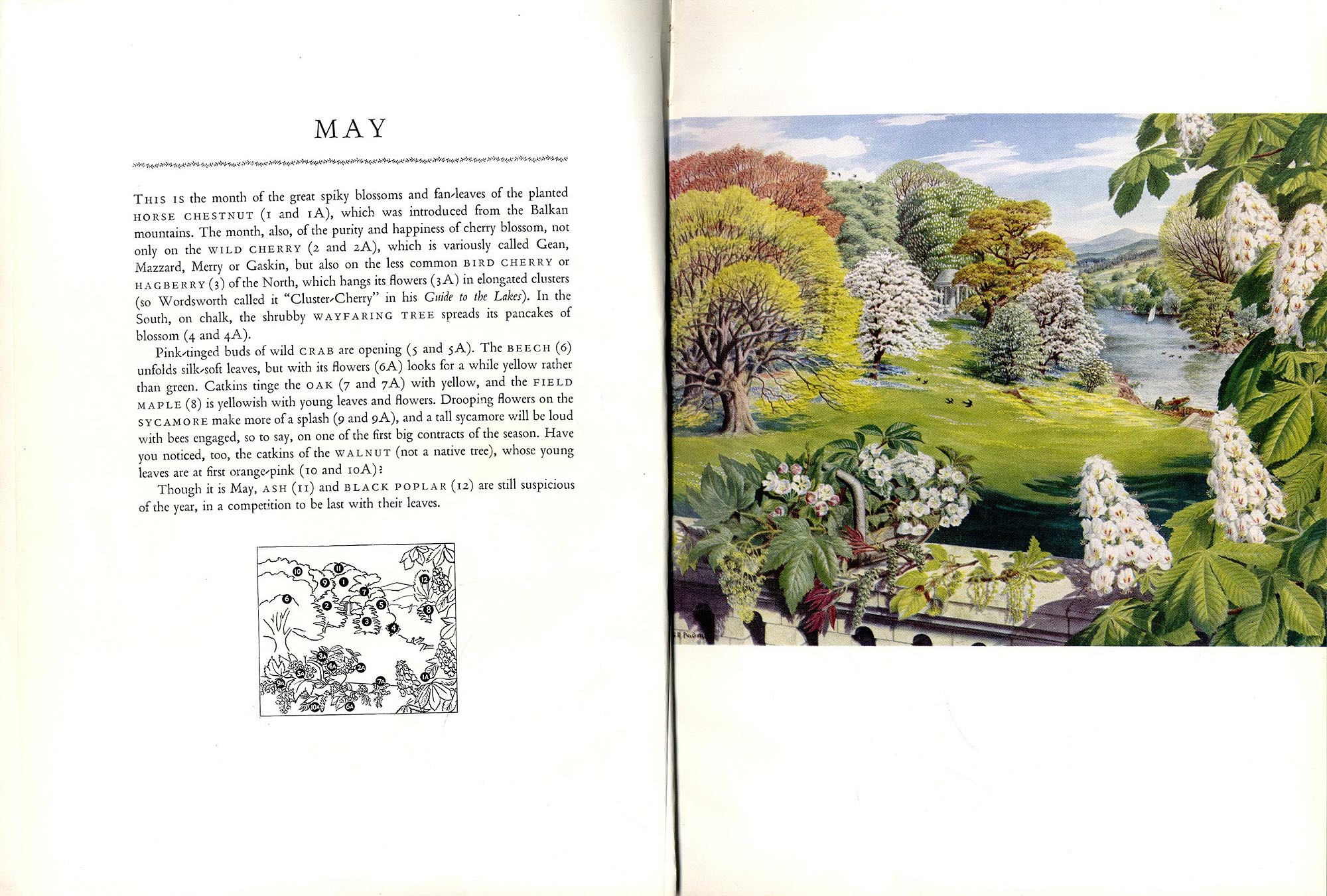
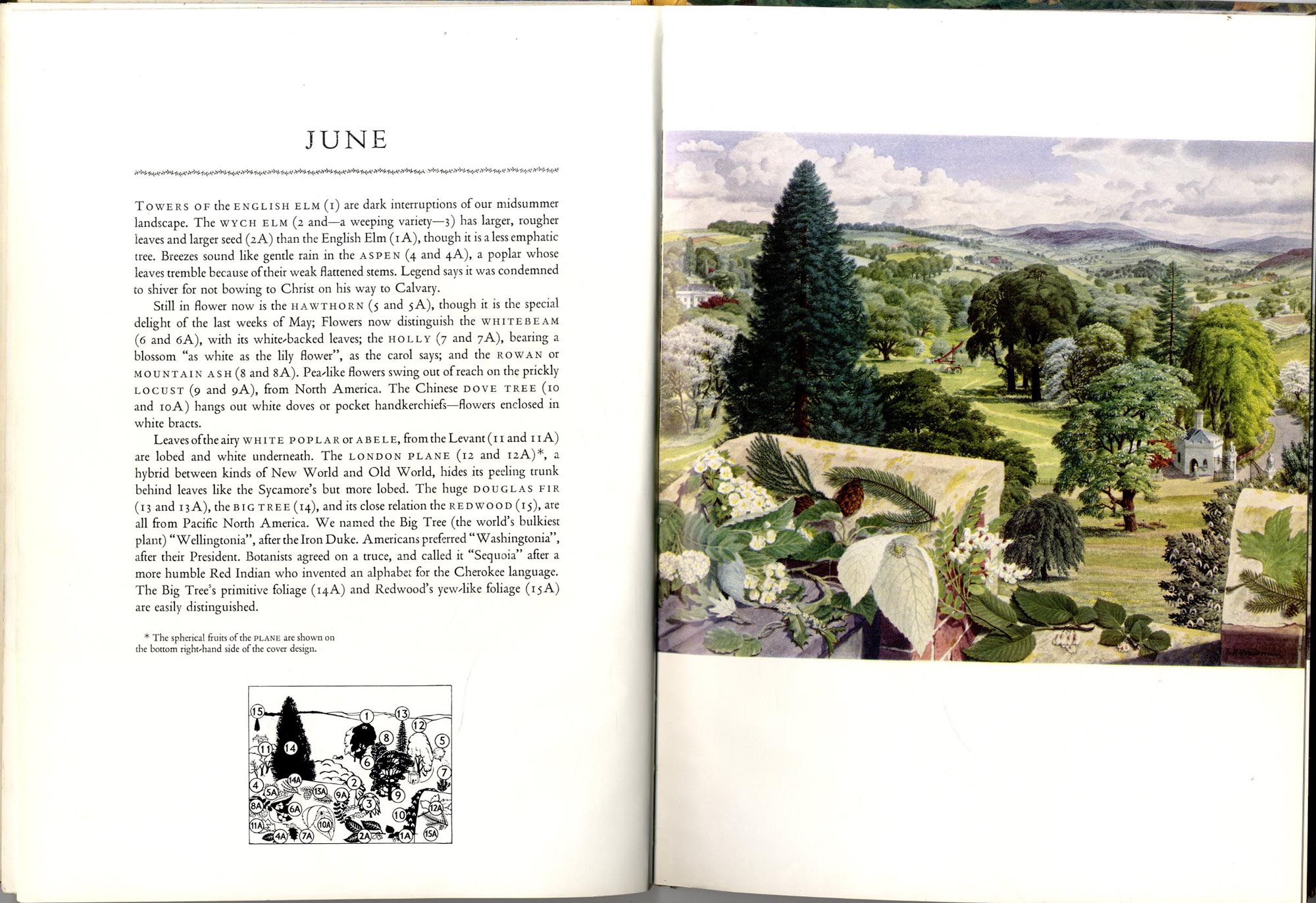
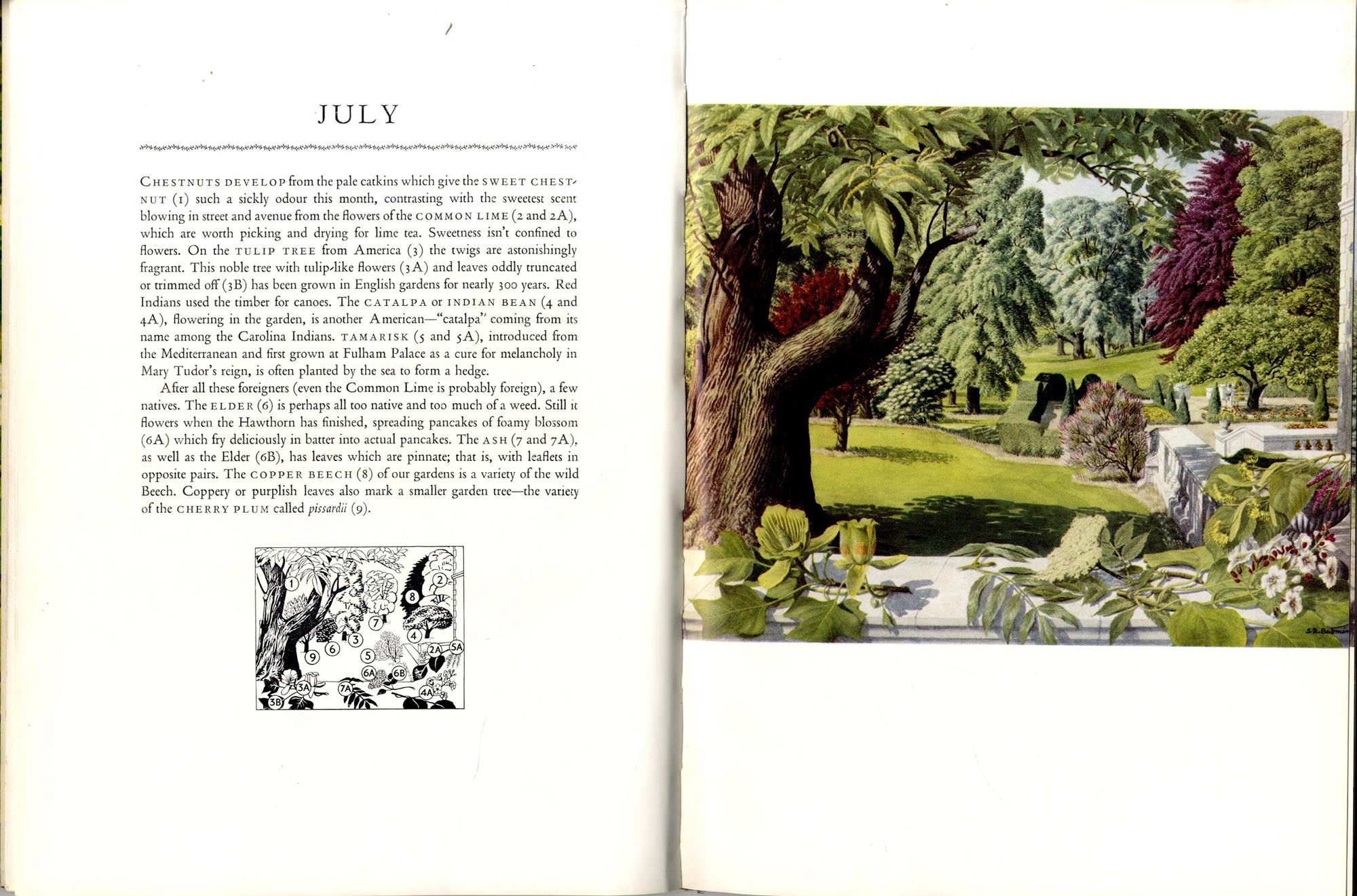
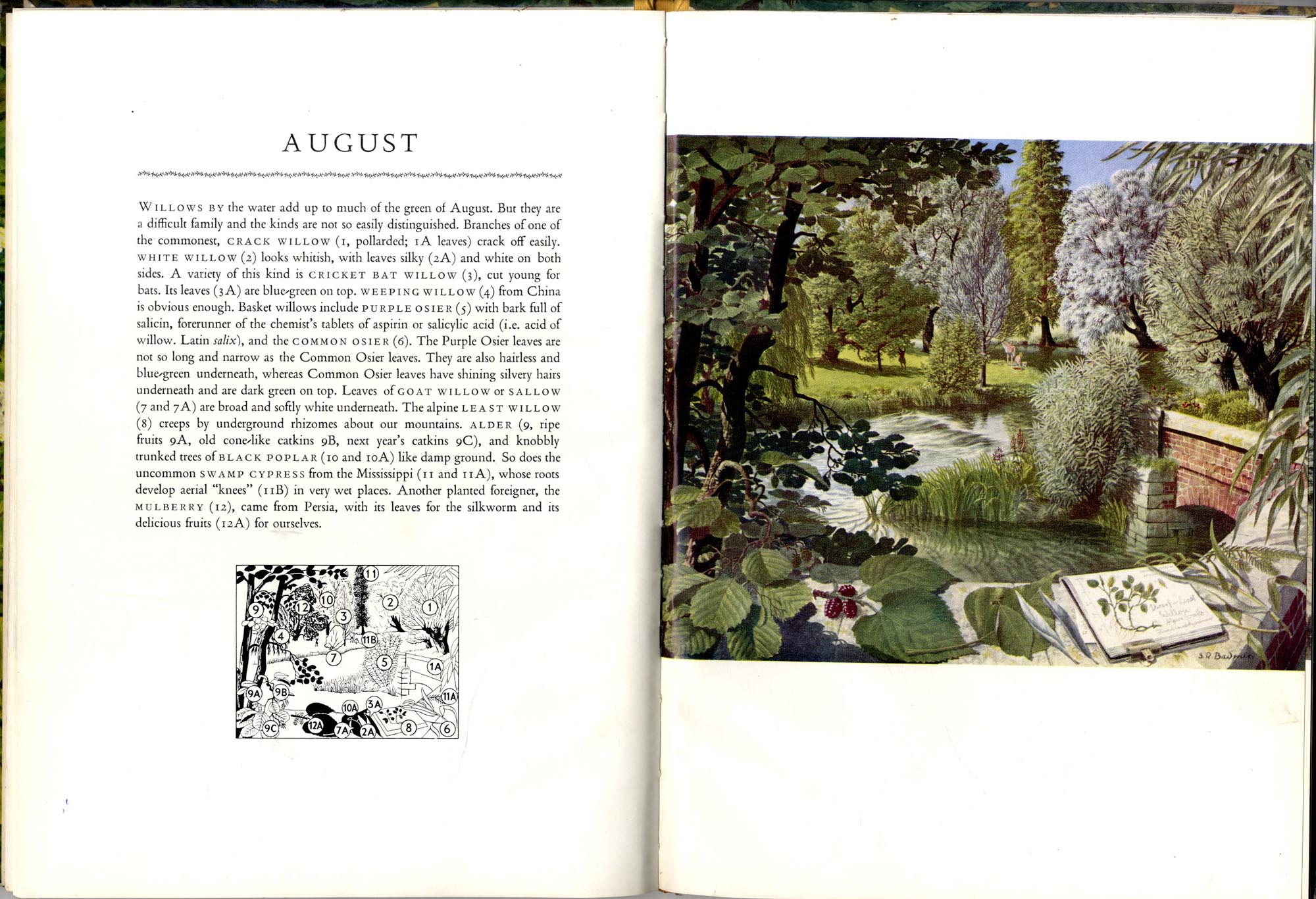
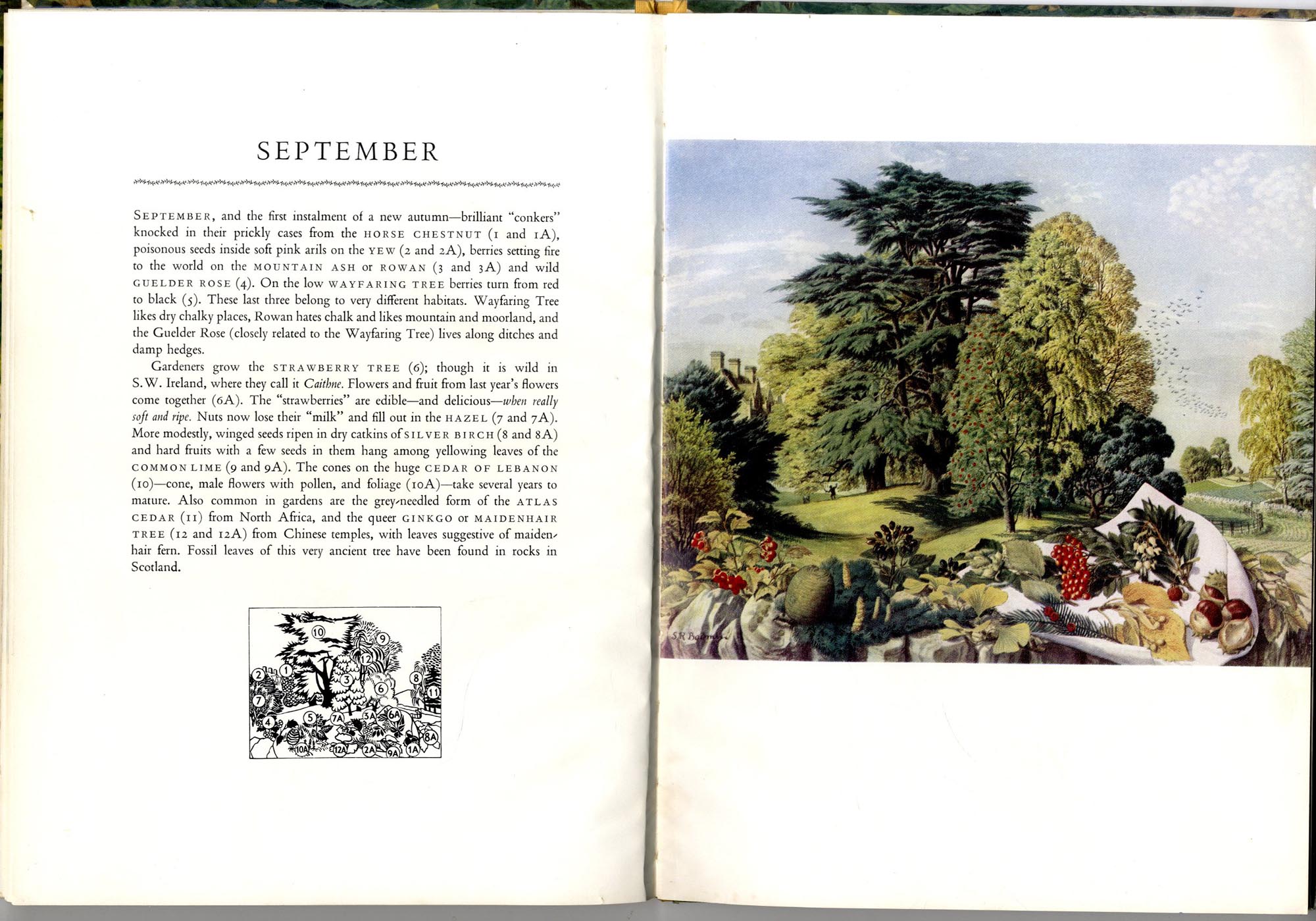
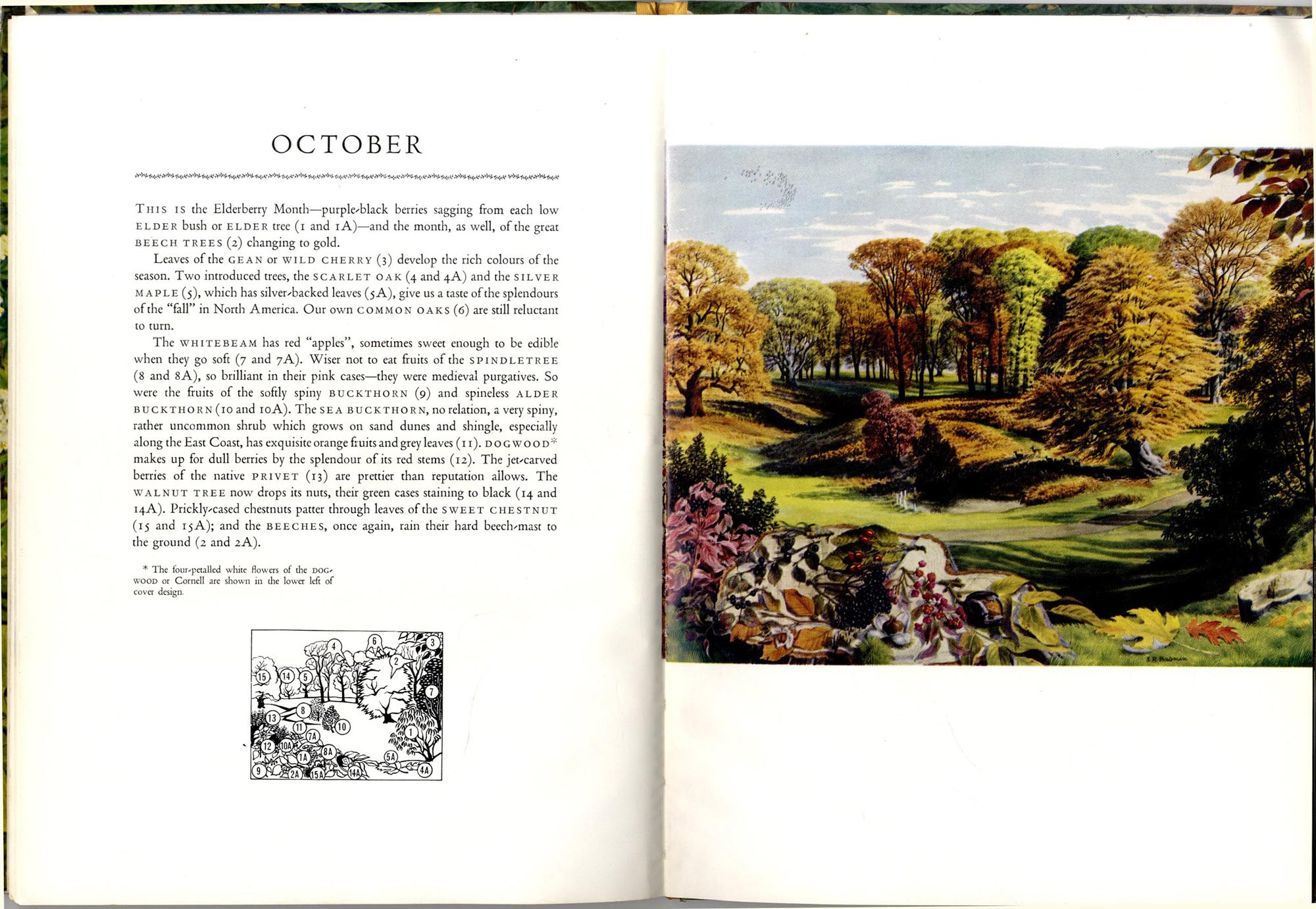
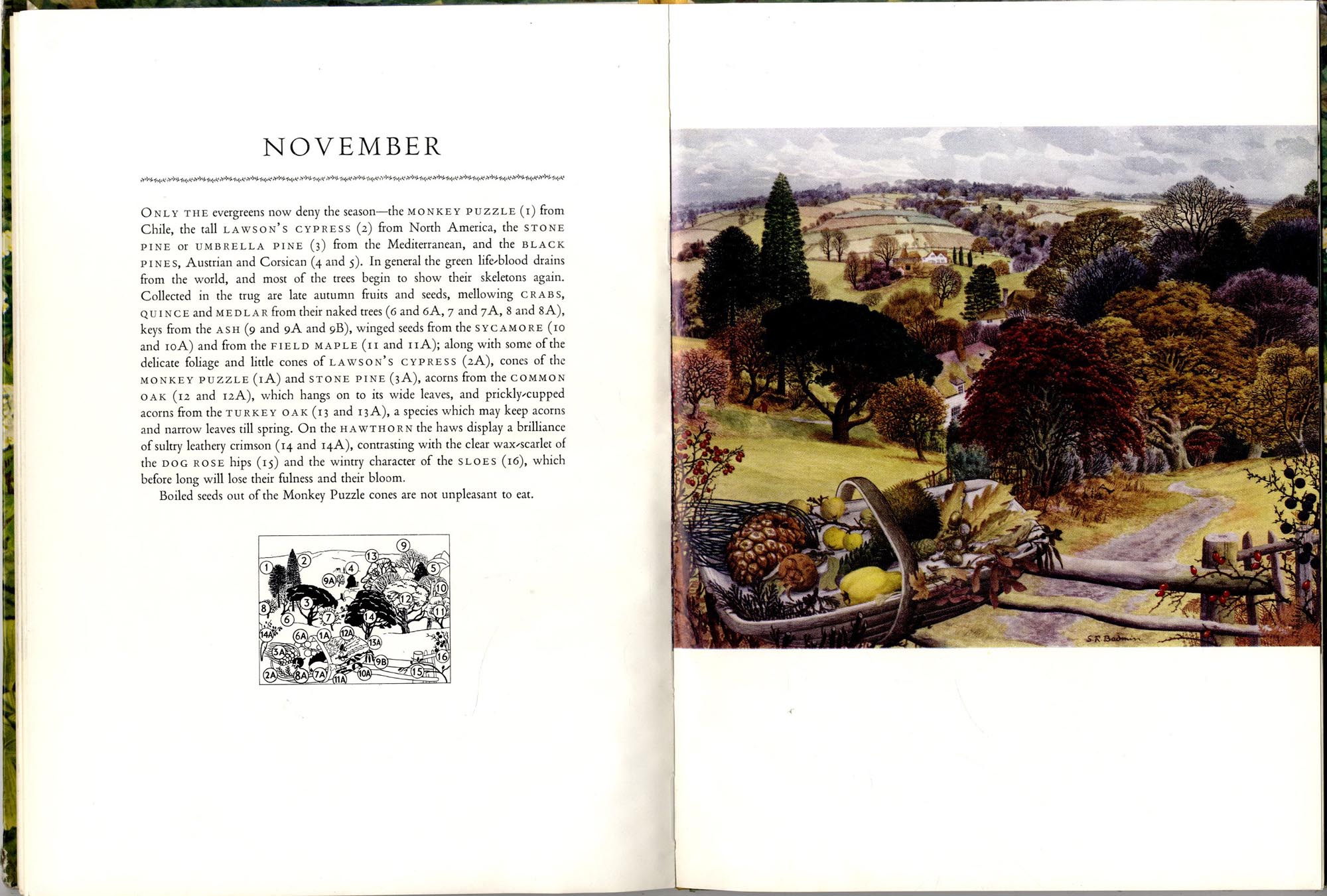
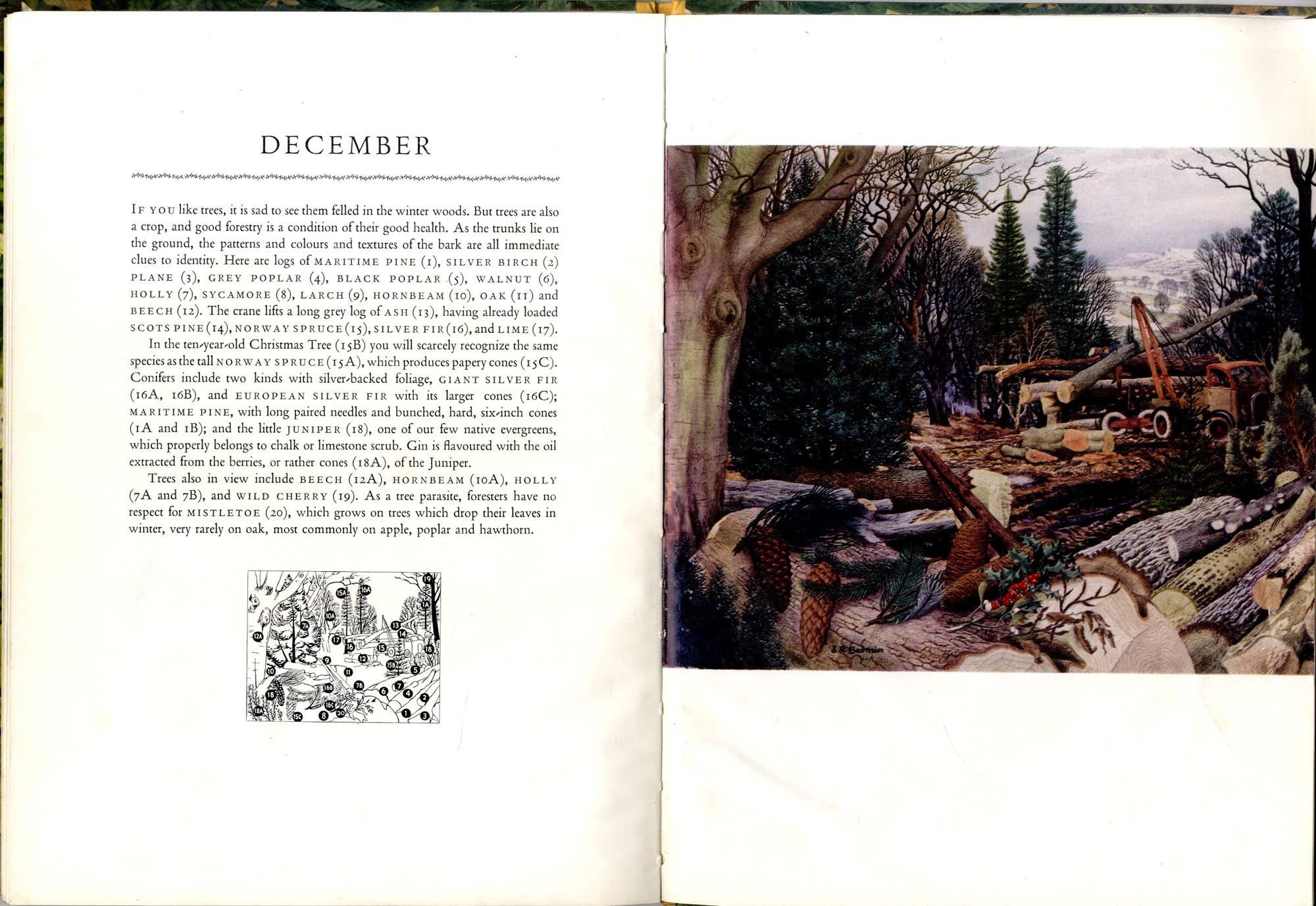
"February" by Stanley Roy Badmin RWS

At the Watercolours and Works on Paper Art Fair today I saw a painting called "February" by Stanley Roy Badmin RWS (!906 - 1989)

February by Stanley Roy Badmin
I was reminded that his paintings used to be used for the series of Shell maps and the Shell Posters The Key to the Countryside which were produced when I was a child.  We used to have them up in my classroom at primary school.
Stanley Badmin was born in London. He studied at Camberwell College of Arts and at the Royal College of Art from 1924-1928. He taught at various London art schools, including Central School of Arts and Design from 1954. His work was based on the English countryside and the rural way of life, worked mainly in watercolour and pen and ink. His engravings had a distinctive carefully wrought style. Badmin contributed to numerous books, including Trees in Britain, published in 1943 by Puffin Picture Books, periodicals, adverts and posters for London Transport and Shell amongst others.
British Council - Stanley Roy Badmin
It's amazing how one painting takes you right back.  Particularly because I always used to enjoy his illustrations of the countryside.

His painting was very much rooted in the English countryside and his particular area of expertise was portraying all the different species of trees.  He produced the Ladybird Book of Trees, a Puffin book called Trees in Britain and a book called The Shell guide to Trees and Shrubs  - in which this painting illustrated February.

I found a very good version of it online and here are the links to every month - each with a different landscape of trees - enjoy!

I've just ordered a copy of this delightful book from Amazon!

There are some links below which tell you more about this very English watercolour painter of the English landscape.

Links:

Friday, 20 January 2012

Hockney: sketchbooks, iPad sketching and the Yosemite Valley

This post is about Hockney's sketching and painting using sketchbooks and iPads. and is part of a series of posts about specific aspects of the David Hockney RA - The Bigger Picture exhibition at the Royal Academy of Arts.  This exhibition is largely about his recent work drawing and painting the landscapes of the Yorkshire Wolds - but images of the Yosemite Valley in October creep in at the end!

Unfortunately the images made available by the Royal Academy are very limited and hence I'll be linking where I can to images elsewhere.  I don't have any image at all to show you what the Yosemite images look like - more's the pity.

The Sketchbooks
"Everything begins with the sketchbooks"
David Hockney
Gallery 12 is a room full of sketchbooks.  iPads are hung on the wall about the sketchbook proper and loop through images from the sketchbook show below.  There's a fairly good correlation between the image on screen and that in the sketchbook.

The main reason for studying the sketchbooks is to see how he chooses and isolates elements in the landscape and tries it out in different ways before making the commitment to a more involved sketch on the ipad or a "proper" painting using watercolours or oils.

There's one sketchbook with a concertina fold which he has used to record all the plants in a hedgerow.  It reminded me of how many of the landscape paintings include portrayals of the plants which are the minor players in the grander scheme of things.

There's a sense of the sketchbooks being the first step in a process which progresses from a quick drawing done from observation to an enormous painting.  The sketch for the painting used to advertise the exhibition is in the display - drawn using coloured crayons in April/May 2008.  It was first drawn in a charcoal and crayon as a landscape format double page spread in a sketchbook - and measures 21 x 60cm.  It's remarkably similar to the final painting (below) which was painted on 15 canvases and is approximately 10 times bigger.

David Hockney 
Winter Timber, 2009 
Oil on 15 canvases, 274 x 609.6 cm 
Private Collection 
Copyright David Hockney 
Photo credit: Jonathan Wilkinson
The colours used in the sketches seems to be a bit of a test for "what works".  While sympathetic to the natural colour palette of the countryside, the colours he uses are often rather more vivid.

This is a fast slideshow of Hockney creating another painting in the series related to the trees which were cut down.  From this you can see how he works from smaller sketches both to get the painting started and also to refine the final colour palette.  The sketches are essential to both the composition and design, the tonal values and the colour palette.

It seems as if the whole process for the larger paintings works as follows:
  • sketchbook study - identifies what interests him
  • charcoal drawing which is more refine - defines shapes and tonal values
  • small colour oil sketches - initial plans for paintings
  • large single canvas oil paintings
  • multi-canvas-larger paintings - which are developed from all the supporting material back in the studio
The sketchbooks he uses are of every size and they vary in the weight of paper - although it looks like they're all capable of taking watercolour sketching.  He mostly sketches in watercolours, although he sometimes uses a graphic pen - especially if drawing people.  He also uses felt markers, coloured pencils and crayons.  I think it's very likely that he's mostly using Neocolor II wax crayons judging by the marks made and the fact that he then sometimes uses water to create a wash after he's completed the sketch.

He's an inveterate panoramic double page spread man - done in landscape format sketchbooks!  (I felt better about my sketching and own sketchbooks as a result.  I keep increasing the size of my sketchbooks and every time I do I seem to still want to use the double page spread.  I've only finally stopped and stuck to one sheet after I got to the A3 sketchbook!)

You can read my Book review: A Yorkshire Sketchbook by David Hockney on Making A Mark reviews.  You can also view the Yorkshire Sketchbook (Yorkshire 04) on the official Hockney website (please note Hockney is a stickler for copyright - so no stealing images from the website!)
RECOMMENDED (for fans only) - This is the nearest you'll ever get to handling a Hockney sketchbook.
The iPad Sketches

David Hockney 
The Arrival of Spring in Woldgate, East Yorkshire in 2011 (twenty eleven) - 2 January 
iPad drawing printed on paper 
144.1 x 108 cm; one of a 52-part work 
Courtesy of the artist 
Copyright David Hockney
Gallery 12 also houses 6 iPads which are set up to run through all the iPads sketches in sequence.

I was disappointed to see that there is no iPad set up to show how he makes his sketches while using the Brushes app for his iPad (which won the Apple Design Award in 2010).  The Brushes app has a very neat aspect to its functionality which shows you how you constructed your drawing - in stages, one stroke at a time!

One of the films makes it clear that Steve Jobs would not have been happy - as he clearly uses a stylus to draw.  It looks very like the one I bought and promptly lost!

The iPad sketches are interesting - mainly because it was not apparent to me until I visited this exhibition just how big iPad sketches can be printed.  Of course the great thing about the iPad is you can move in and out of an area of the artwork.  If you know you're going to print big you can adjust the level you work at.

I'm not actually quite sure when they stop being sketches and start being paintings in their own right - although I guess it might be something to do with how long they take to do and refine.  We also need to remember for all the iPad work we see in the show there's bound to be a lore more which just didn't work - just as there always is in any sketchbook.

The 51 iPad sketches which form part of The Arrival of Spring in Woldgate, East Yorkshire 2011 (twenty eleven) are all printed on paper which is 144cm x 108cm (that's c. 57" x 42").

I had no idea one could contemplate digital sketches on an iPad translating through to work of that size.  I guarantee there will be quite a few wiPad owners looking at their iPads with renewed interest after seeing this exhibition.  Me for one!  The main reason being that at the end of the day these are still unique hand drawn paintings.  You can see all the marks.  It doesn't look like a hyper-realistic photograph.  You know a person created it!

This in part is, I guess, Hockney's response to all the people who are photoshopping photographs and then calling it art.  His preoccupation is with the eye, the hand and the heart and having all three working together to produce the image.

[Note:  I'm trying to find out what software is used to produce the very large prints - and will report back!]

The Yosemite Valley Sketches

I'm really surprised not to have an image of these iPad sketches.  They are simply ginormous!  They're also displayed in a small gallery so that one gets the sense of the enormity of the place itself.

I'm guessing that they must have given the publishers of the catalogue and the gallery guide a bit of a rollercoaster ride too - as Hockney produced these specifically for the exhibition but only produced them between October 5th and October 16th 2011!!!

The catalogue indicates he's using a special piece of software which prevents the iPad drawings from pixelating as they are increased in size.  (see How to produce a large 300dpi TiFF print of an iPad sketch for my best guess at the moment of what they are doing)

However the super ginormous Yosemite sketches are in effect like his multi canvas paintings.

The overall dimension of most is 365.8 x 274.3cm (That's 144inches x 108" or 12 feet by 9 feet).  However they are actually printed on six sheets of paper mounted on six sheets of dibond.

So now you know!

You too can have an iPad sketch enlarged to a 12 foot by 9 foot image!

Tuesday, 17 January 2012

David Hockney RA talks about landscape painting

David Hockney RA - A Bigger Picture - Gallery Guide
opening at the Royal Academy of Arts on 21 January 2012

I'm currently writing a review of the new exhibition by David Hockney at the Royal Academy of Arts - David Hockney RA - A Bigger Picture - which I saw today.  It opens to the public on Saturday 21st January.

The exhibition focuses on his recent landscape painting and the majority of the artwork on display in the complete suite of Main Galleries are paintings of the Wolds in East Yorkshire.  This is the area inland from Bridlington where he now lives.

I've rapidly arrived at the conclusion that I need to deal with various specific aspects of the exhibition in posts on this blog - which is what I'll be doing.

This particular post provides an index of opportunities to hear David Hockney talking about his landscape painting and why he's been painting the Easy Yorkshire Wolds in particular for the last few years.

One of the interesting aspects of David Hockney is that he is very articulate and not at all bashful about airing his views on art, painting and anything else he's interested in.

Below you can find links to:

  • a ten minute Channel 4 News interview with David Hockney (posted today) in which he talks about the attractions of the East Yorkshire countryside, his use of the iPad for sketching


  • HIGHLY RECOMMENDED: Sunday Feature - New Ways of Seeing with David Hockney - an hour long Radio 3 programme  in which Rachel Campbell-Johnston interviews David Hockney at his Bridlington home and his studio ahead of the major exhibition at the Royal Academy.  The link is to where you can access it via iPlayer Catchup. 
  • HIGHLY RECOMMENDED: Bruno Wollheim's film (available on DVD) - made over the course of 3 years and first aired on the BBC in 2009 - is one of the best films I've ever seen of the contemporary practice of a painter painting plein air.  There's a lot of film of Hockney painting.  You also get to see how he works with his team of studio assistants.  Read my review of the film when originally shown on the BBC - Review: David Hockney - A Bigger Picture

Wednesday, 4 January 2012

The MAM Award for Best Picture (Place) on an Art Blog 2011

Pacific Passage
© Robin Purcell (Robin Purcell - Watercolours in the Plein Air Tradition)
14" x 14", watercolour
I'm pleased to announce that Robin Purcell (Robin Purcell - Watercolours in the Plein Air Traditionwon The Making A Mark Award for Best Picture of a Place - on an Art Blog in 2011.  This prize aims to celebrate and highlight excellence in creating pictures about places in our environment

I nominated her for the award as part of my Annual Making A Mark Awards - and was very pleased to see that she won.  I think her watercolour paintings are fantastic.   Do take a look at her blog post about her Point Lobos series

Also take a look at the other artists who made the short list in VOTE for the Best Artwork on an Art Blog in 2011

Links:

Monday, 2 January 2012

Wolf Kahn - 6 good reasons not to paint a landscape

There's a 2002 Forum Network lecture by Wolf Kahn - highlighting 6 good reasons not to paint a landscape - in which he discusses landscape painting.
Wolf Kahn, an influential modern landscape painter, explains why people become artists, despite the apparent impracticality of art.
Wolf Kahn - 6 good reasons not to paint a landscape
His lecture is organised around the six reasons he puts forward which are:
  1. There's no ideology these days to back up landscape painting
  2. It's all been done
  3. It's far too polite - it ends up in hospital waiting rooms and corporate boardrooms
  4. You're mistaken by the public to be a lover of beauty
  5. You're mistaken to be an environmentalist
  6. There's no politics in landscape painting

There's a link which indicates you can download the audio file of the lecture to listen to as a podcast.

Thanks to Loriann Signori who highlighted this on her blog today.

The lecture is on The Forum Network which is a public media service of WGBH in Boston

So - did you listen to the lecture?  What do you think?