Showing posts with label painting trees. Show all posts

Friday, 3 February 2012

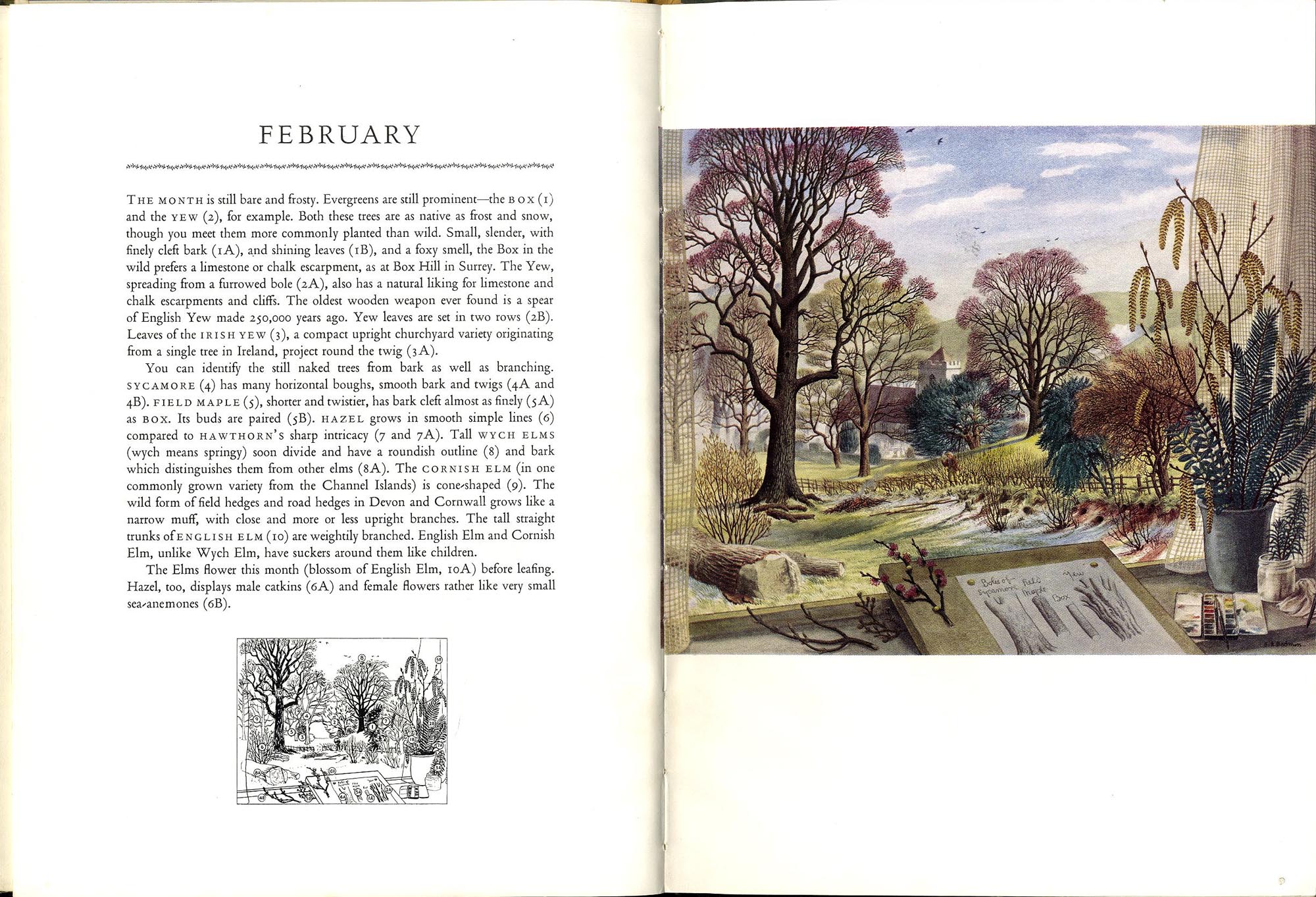
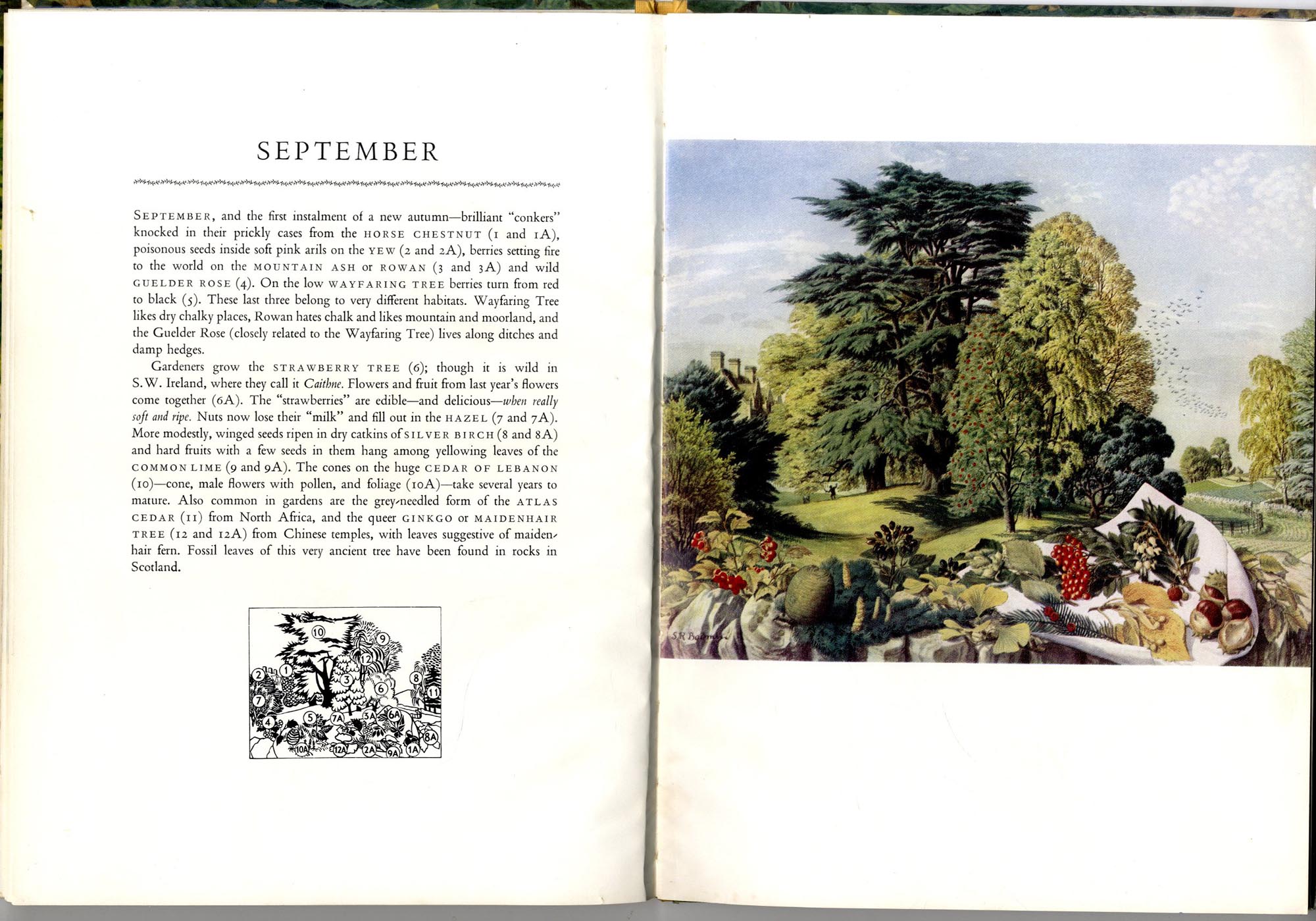
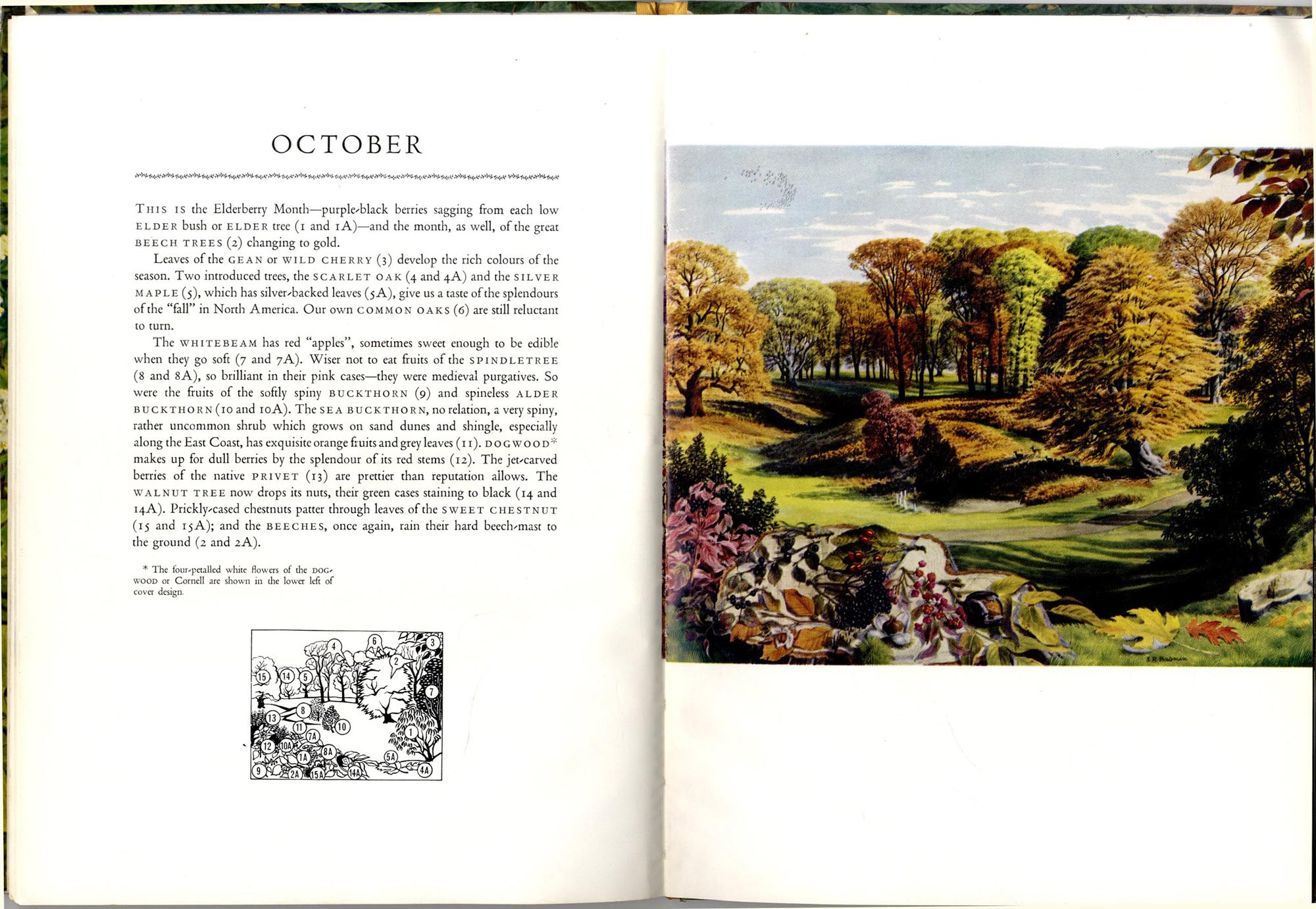
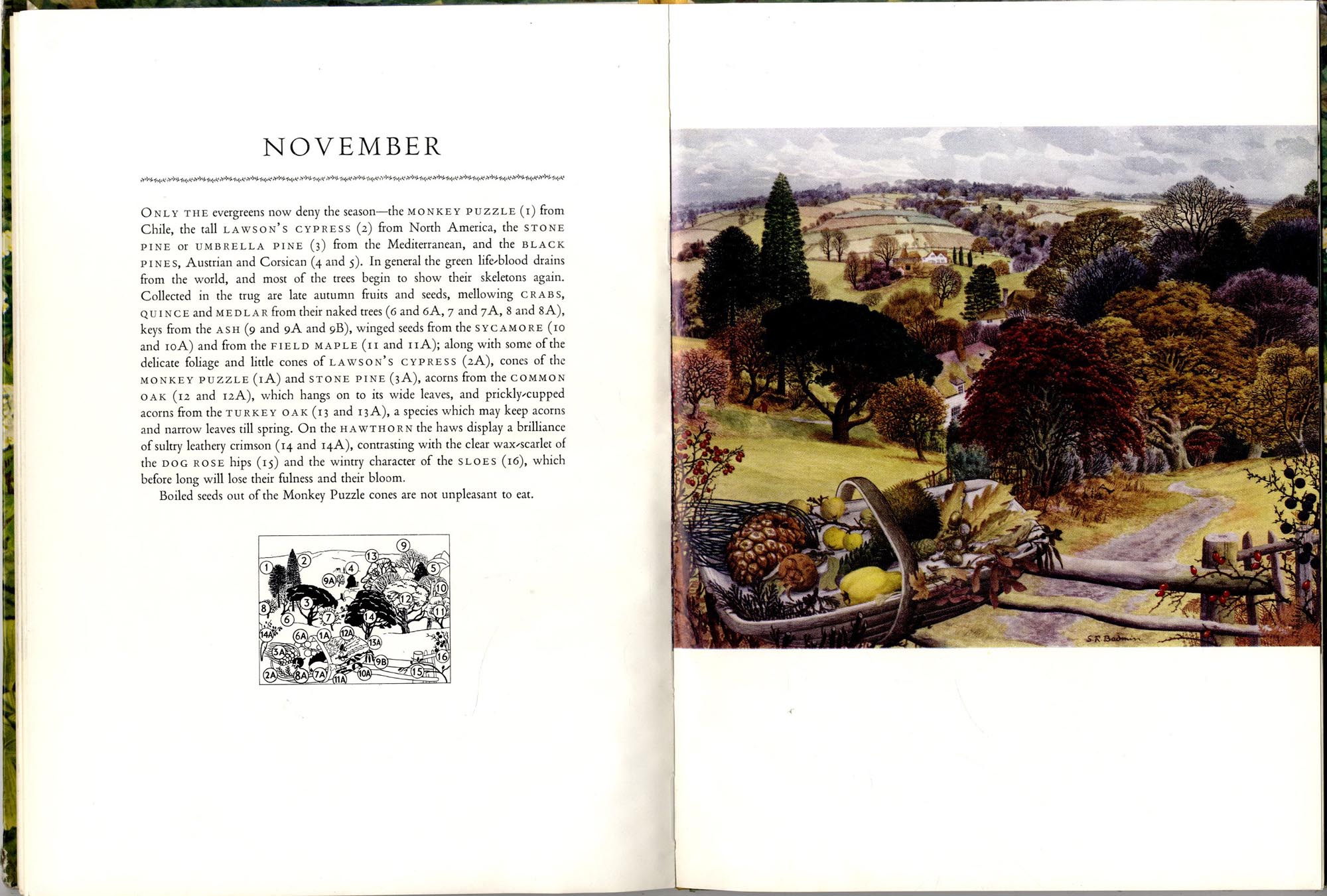
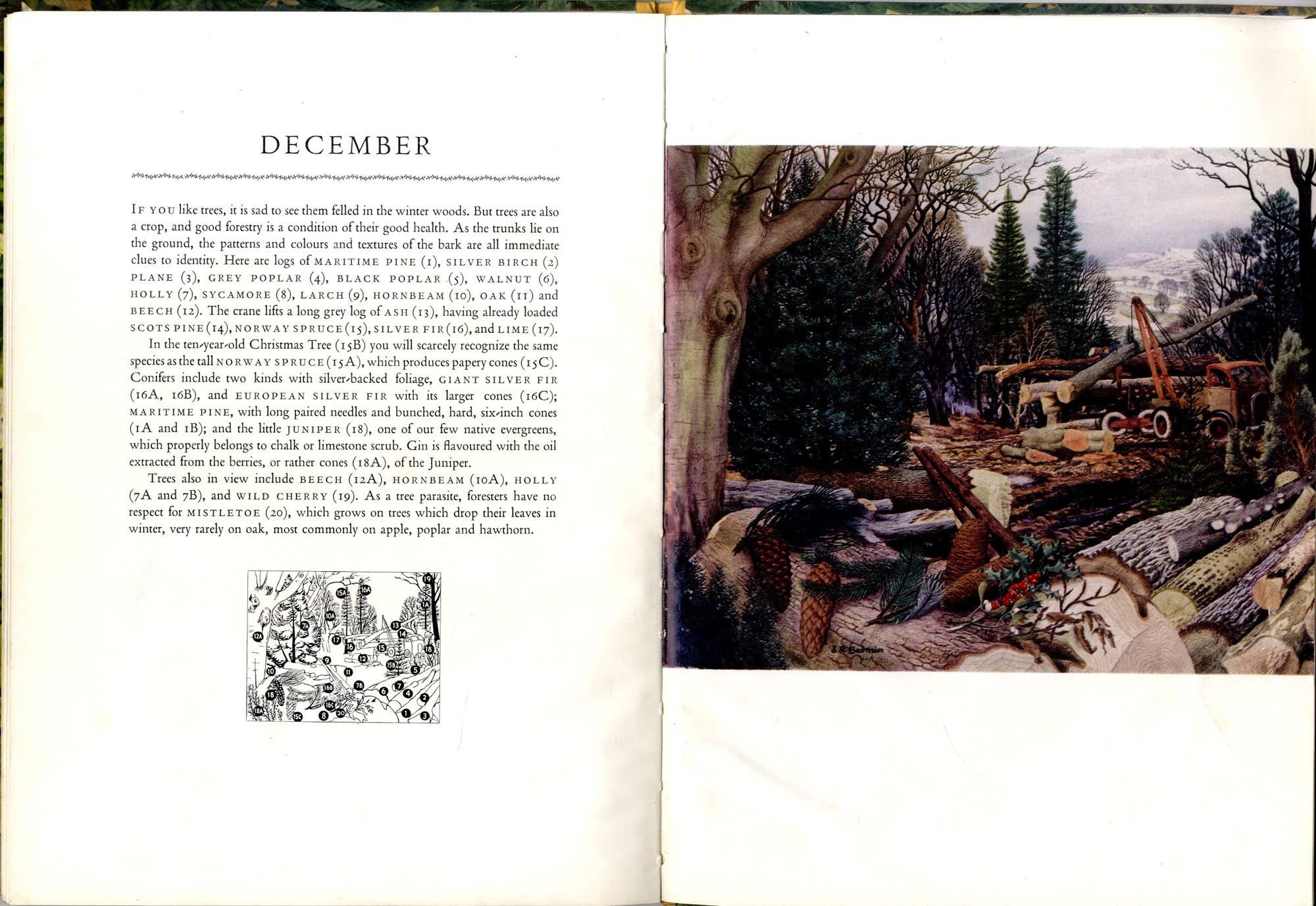
"February" by Stanley Roy Badmin RWS

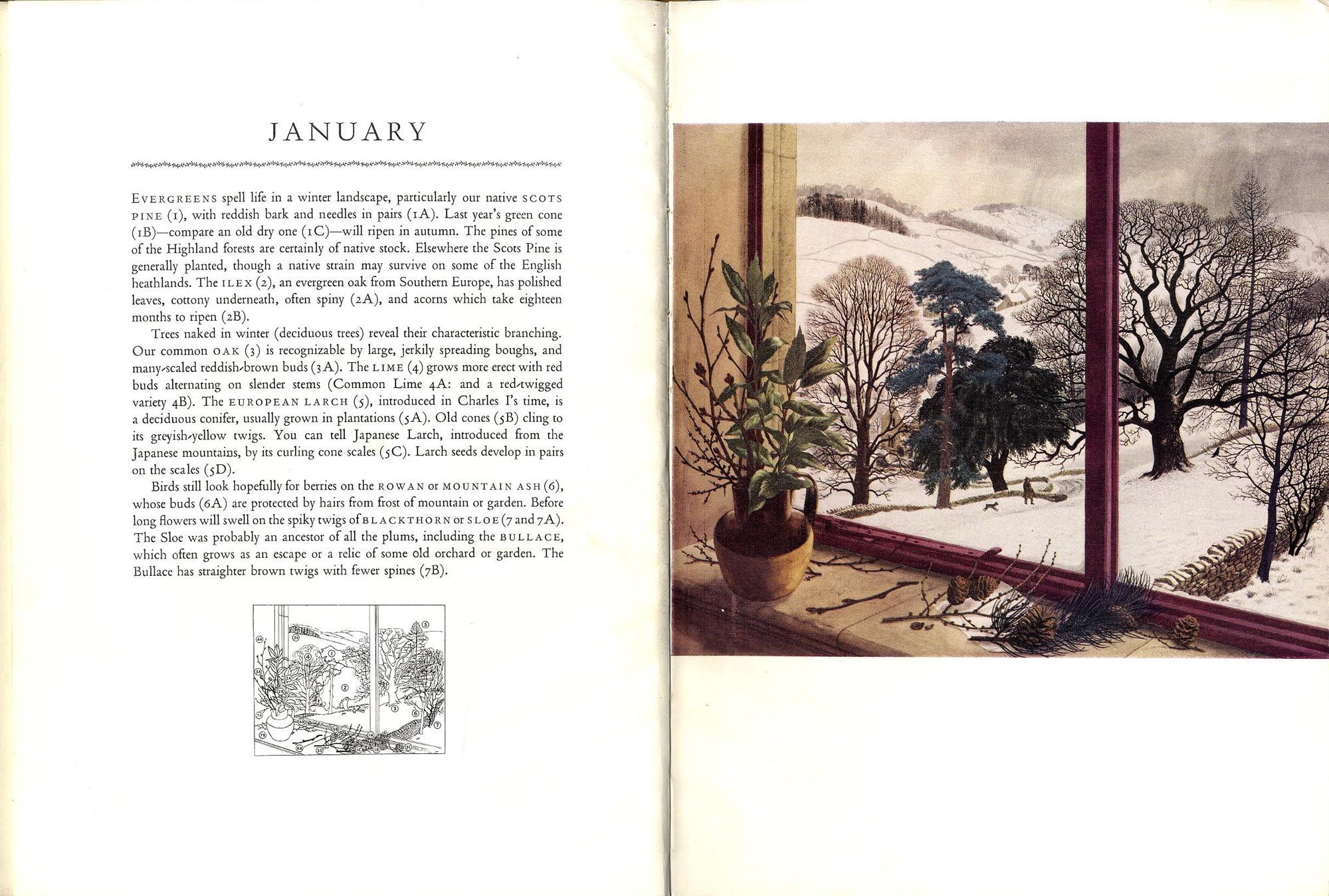
At the Watercolours and Works on Paper Art Fair today I saw a painting called "February" by Stanley Roy Badmin RWS (!906 - 1989)

February by Stanley Roy Badmin
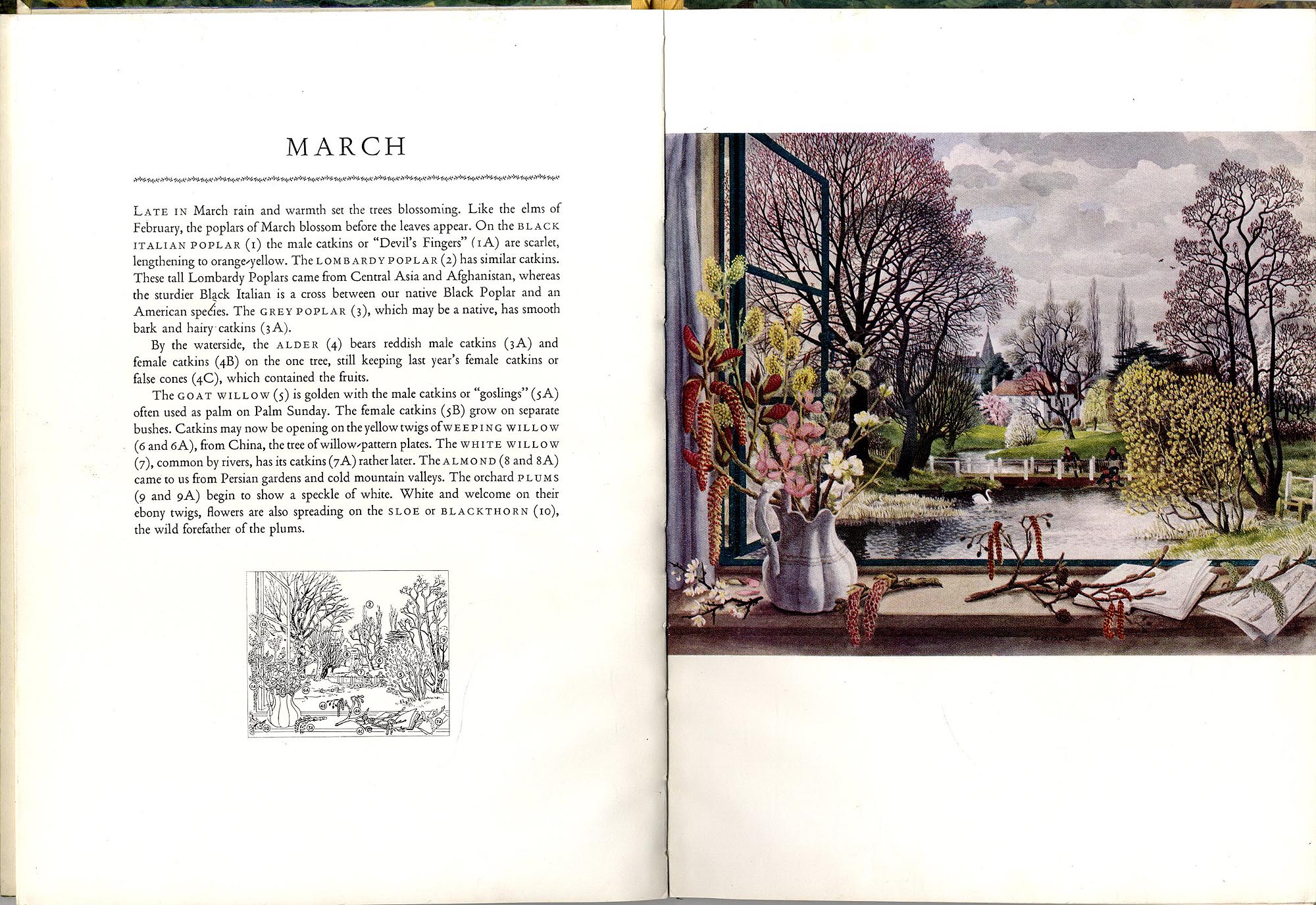
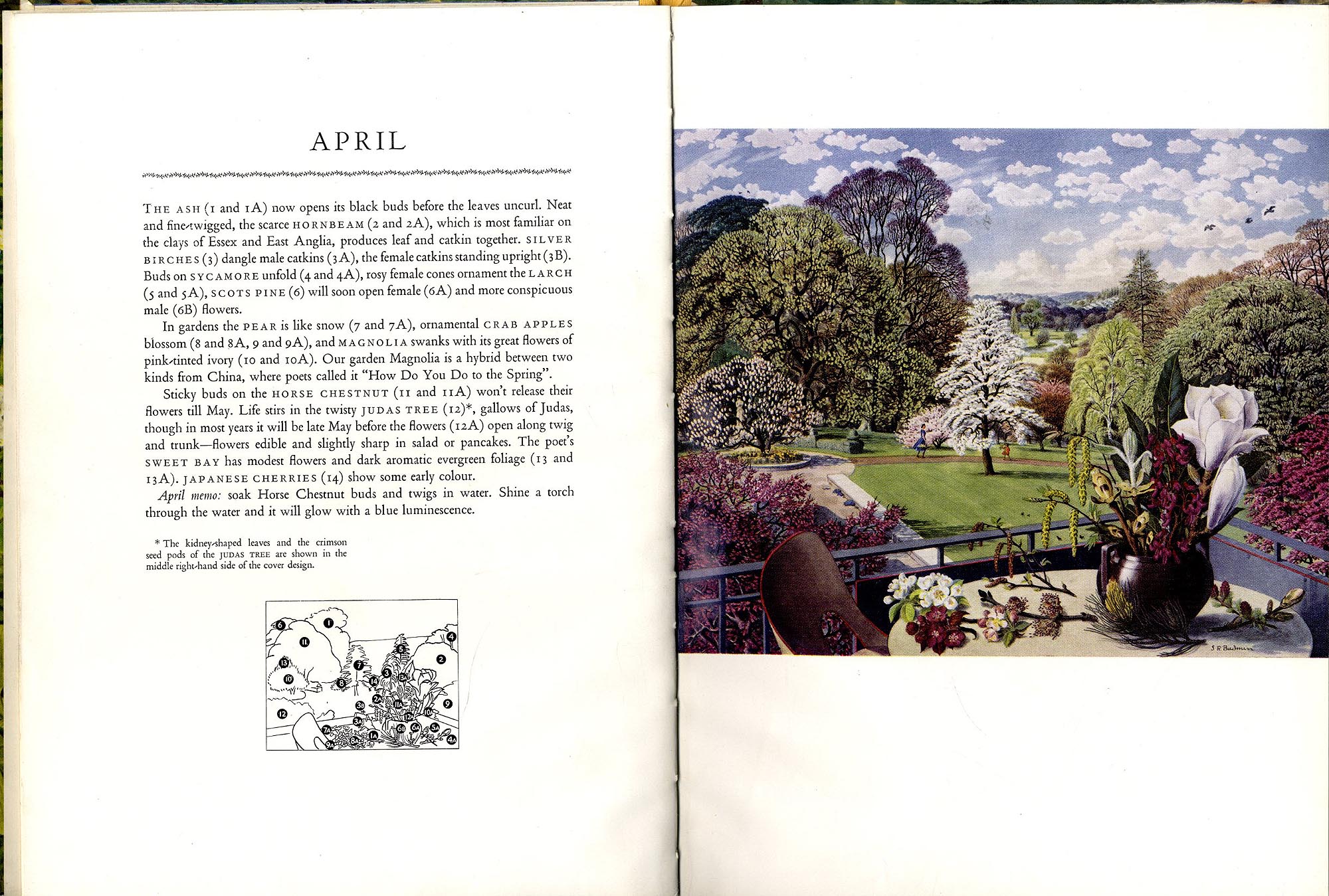
I was reminded that his paintings used to be used for the series of Shell maps and the Shell Posters The Key to the Countryside which were produced when I was a child.  We used to have them up in my classroom at primary school.
Stanley Badmin was born in London. He studied at Camberwell College of Arts and at the Royal College of Art from 1924-1928. He taught at various London art schools, including Central School of Arts and Design from 1954. His work was based on the English countryside and the rural way of life, worked mainly in watercolour and pen and ink. His engravings had a distinctive carefully wrought style. Badmin contributed to numerous books, including Trees in Britain, published in 1943 by Puffin Picture Books, periodicals, adverts and posters for London Transport and Shell amongst others.
British Council - Stanley Roy Badmin
It's amazing how one painting takes you right back.  Particularly because I always used to enjoy his illustrations of the countryside.

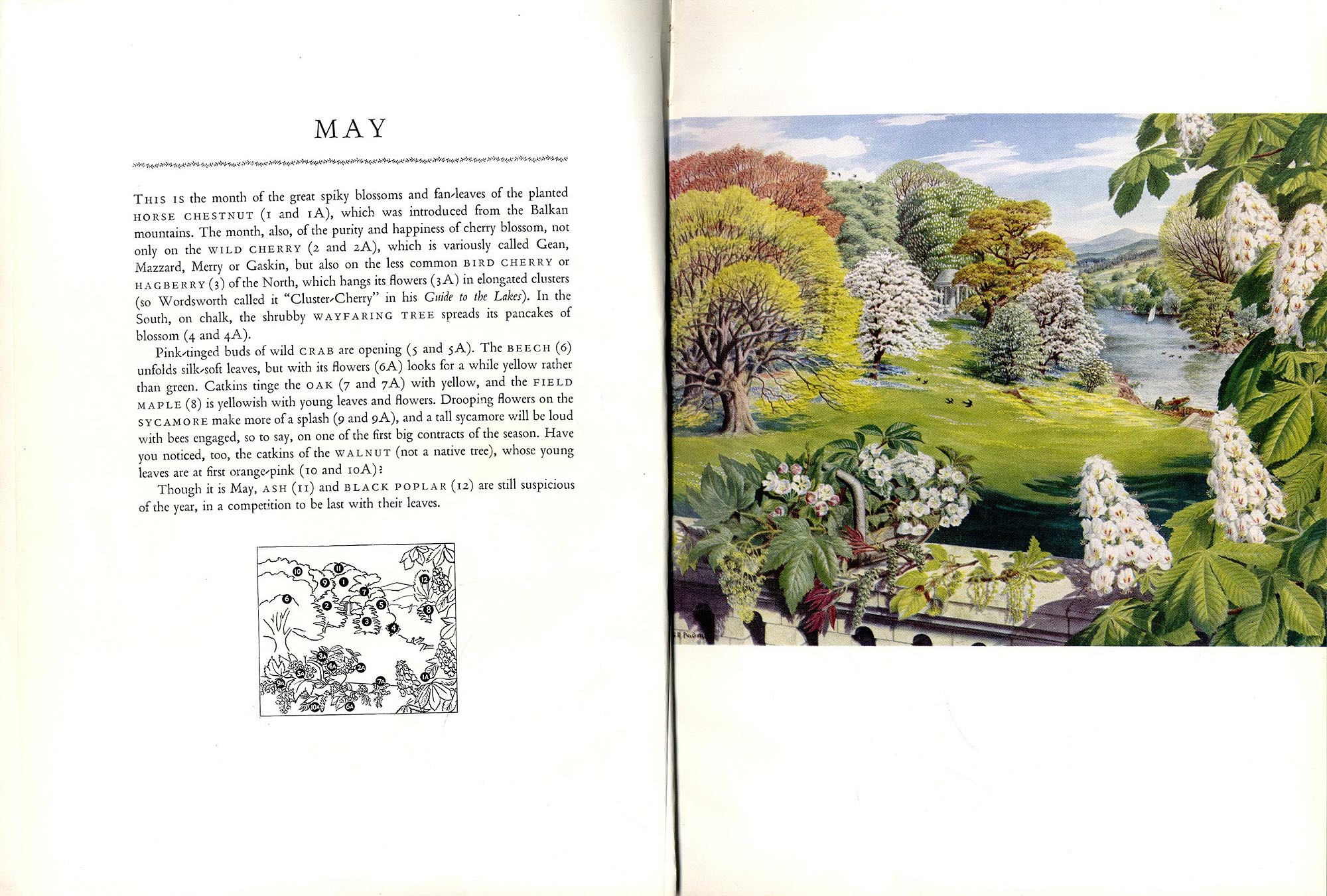
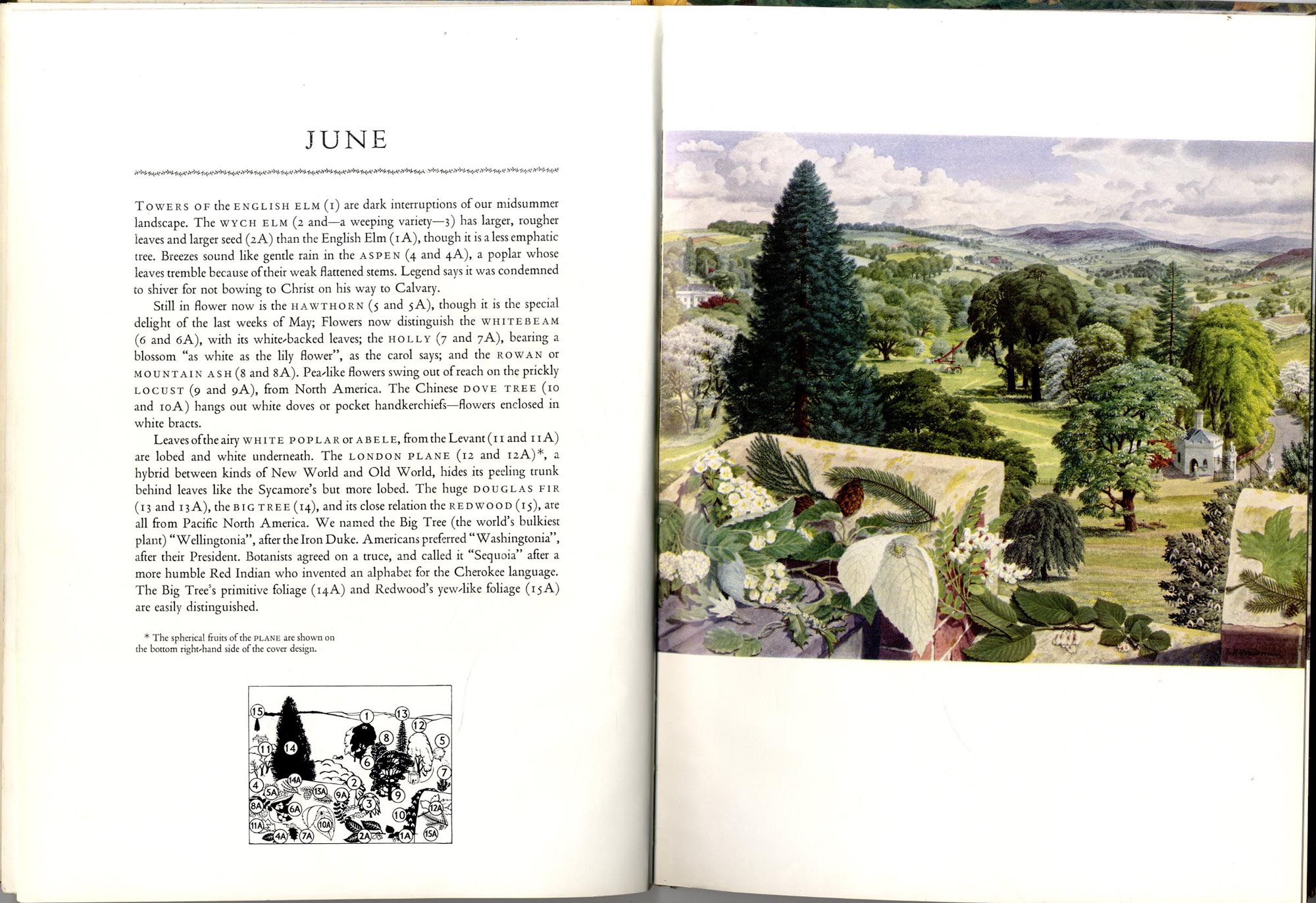
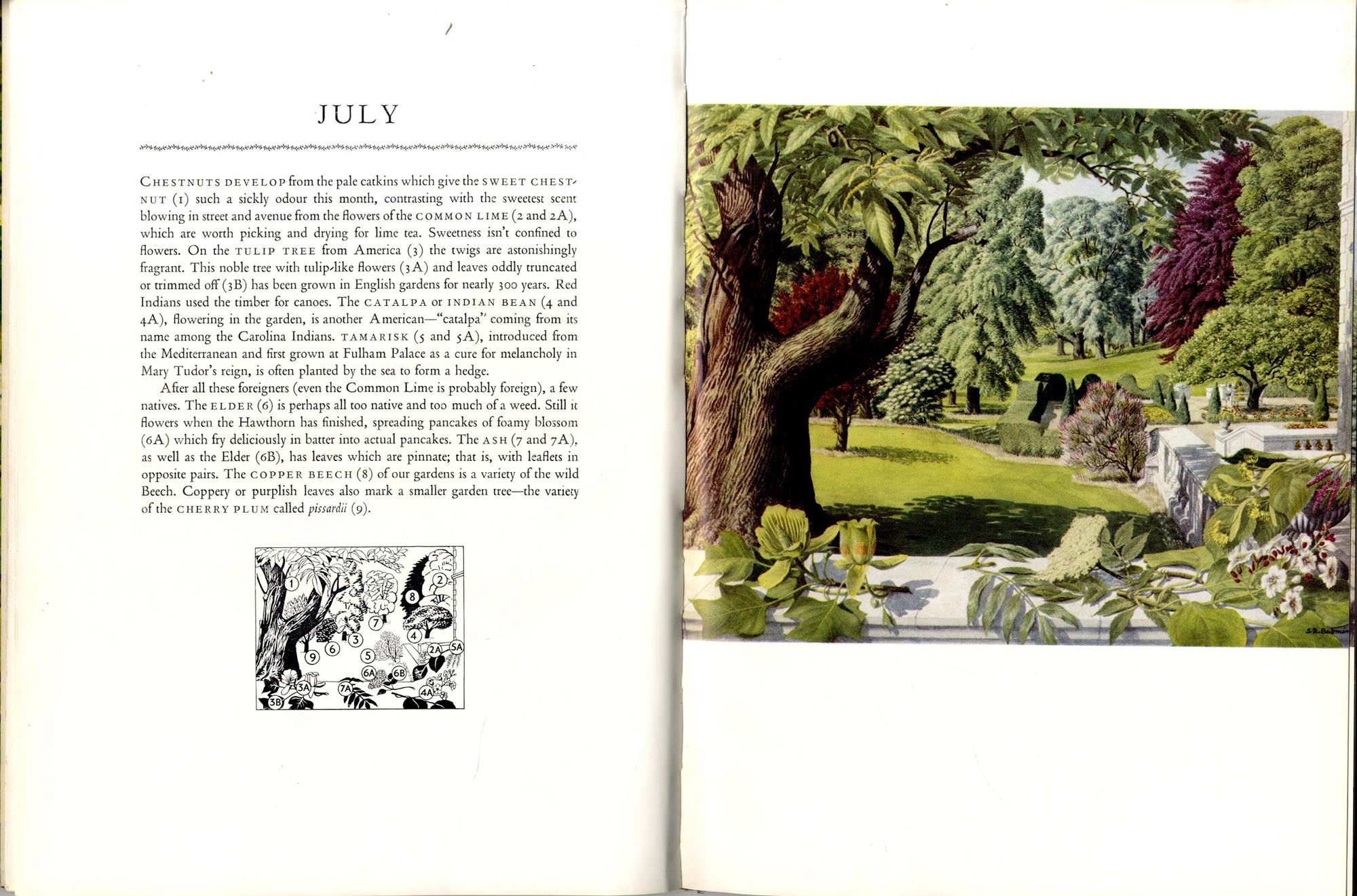
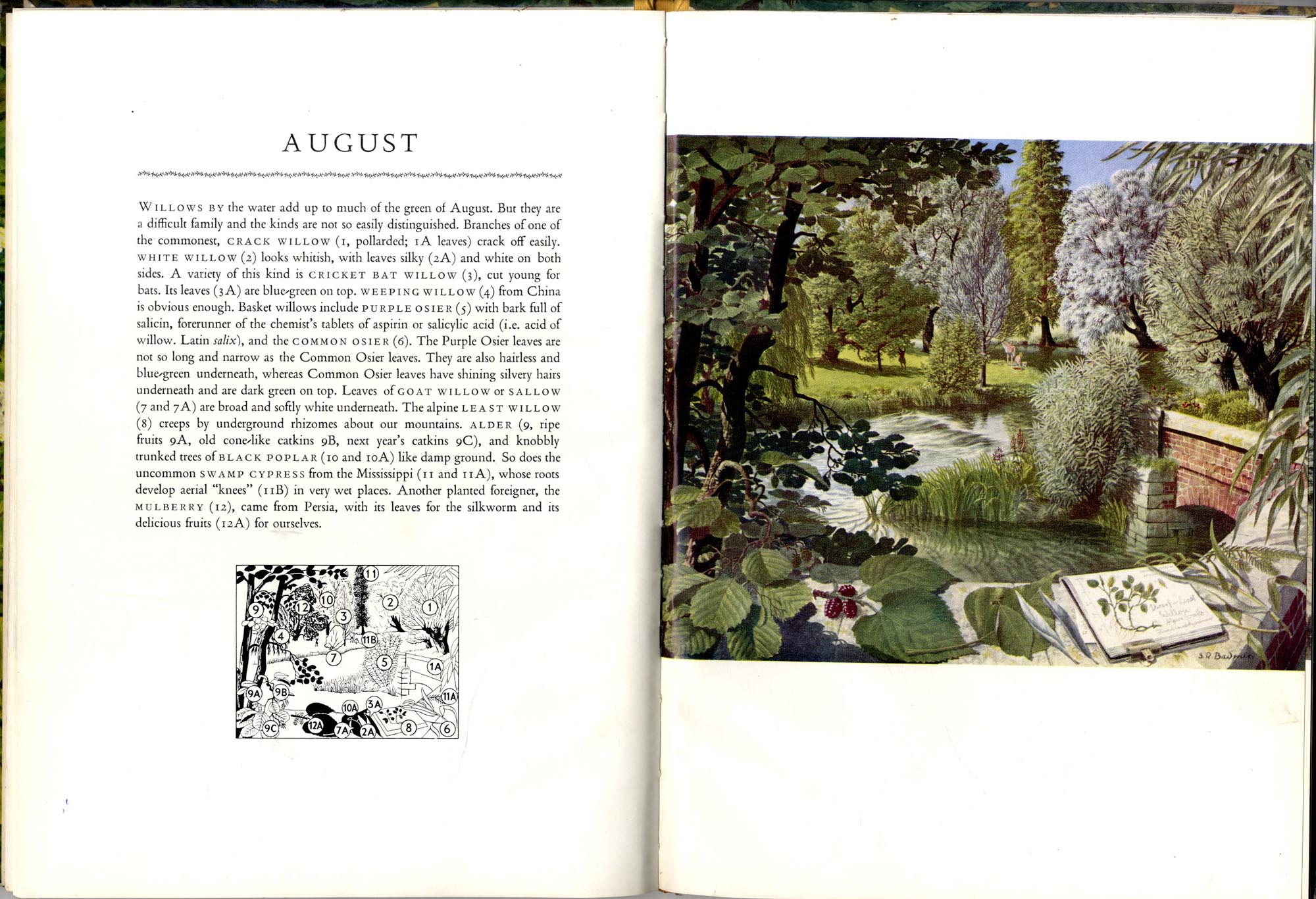
His painting was very much rooted in the English countryside and his particular area of expertise was portraying all the different species of trees.  He produced the Ladybird Book of Trees, a Puffin book called Trees in Britain and a book called The Shell guide to Trees and Shrubs  - in which this painting illustrated February.

I found a very good version of it online and here are the links to every month - each with a different landscape of trees - enjoy!

I've just ordered a copy of this delightful book from Amazon!

There are some links below which tell you more about this very English watercolour painter of the English landscape.

Links:

Saturday, 3 December 2011

Winter Landscapes by Ivan Shiskin

Winter (1890) by Ivan Shiskin
Oil on canvas, 125.5 x 204 cm
State Russian Museum, St. Petersburg | Source: Wikimedia Commons

The great Russian landscape painter, Ivan Shiskin (1838-1892) very much liked painting trees and became famous for his forest landscapes.  These are a couple of his paintings of pine trees laden with snow in winter

I'm minded to try and develop an educational resource website about Shiskin over the course of the winter months.  I've not studied any Russian landscape artists yet although I have seen their paintings - some of which I like a lot.

Who are the artists which you think are great painters of winter landscapes?

Who else do you rate highly as a painter of trees?

Which Russian landscape painters do you like?

In the wild north (1891) by Ivan Shiskin
161 x 118 cm, oil on canvas
Kiev Museum of Ukranian Art, Kiev, Ukraine

Tuesday, 29 November 2011

A Vermont Pond - Autumn Landscapes #10

The Pond on Rice Farm Road

The look of Autumn varies depending on place, the type of trees which grow there and how much rain or sun that place has had.  This pastel painting of The Pond on Rice Farm Road demonstrates that some places are still green rather than red/orange/yellow/brown.

This is what Roderica Tilley (Rodrica Tilley's Pastel Paintings) had to say about her work
It was an exquisite fall day in my neighborhood two weeks ago...and the days here have been mostly soggy for months. I spent the afternoon painting this Vermont scene amidst the birds (?) rustling in the cattails next to me and quite a few leaf peepers driving by on the dirt road.

That was two weeks ago and Black Mountain, where I live, has turned into winter rather suddenly. This is another of the Transitions series. 12 x 16 pastels.
Rodrica has recently moved from Montrose, PA where she lived for 35 years to a new home and studio in Brattleboro VT.  Her series Transitions are are seasonal landscape paintings of PA and VT and the long stretch of I-88 in NY that connects her old and new home.

You can see some of Rodrica's recent work in a group show called Fractured which opened last Friday at The Butternut Gallery and Second Story Books in Montrose, PA.  The exhibition continues until December 24.

Rodrica also has an interesting project in which she is trying to produce landscapes of all 50 states of the USA Fifty State Plein Air Painting Project.  As you can imagine with a project like this postings are periodic - I'm adding it into this blog's blogroll.

Seasonal Landscapes

This is the last in the series of autumn landscapes by art bloggers - which I have greatly enjoyed doing.  Apologies to those work was not listed.

However on Thursday watch out for the post in which I declare the new three month season of winter landscapes open!

Thursday, 24 November 2011

Golden Oak - Autumn Landscape #7

I absolutely adore Robin Purcell's paintings - she's one of those people who generates strong feelings in me of "if only I could paint like that!  I love looking at her paintings of landscapes of Northern California on her blog Robin Purcell - Watercolours in the Plein Air Tradition

It's a great pleasure to add in one of her plein air watercolour paintings to my series of Autumn Landscapes by art bloggers.

This is a much simpler painting than her normal landscapes.  It's subject is an oak tree.

Golden Oak by Robin Purcell
plein air watercolour, 14" x 14"
In her post Plein Air Watercolor "Golden Oak" she comments on how she's pulling back from her usual bright colours when painting oaks - and also the challenge of working out how to paint a tree close up.  She also says about the painting
Although not the traditional autumn colors," Golden Oak "was painted in October in Northern Califorrnia and is true to the Autumn Colors here. I like to paint in October because the golden tones are still here, the light is clear all day ( no morning fog or afternoon smog) and the temperatures are not too hot.
This is what Robin has to say about her approach to landscape painting
California has always been a mythic land of sunshine that stirred my imagination. A fortunate set of influences helped me arrive at my own style of interpreting the California Landscape. I was probably permanently warped by doing paint by numbers as a child. I fell hard for the work of the early California Impressionists, particularly Granville Redmond and William Wendt. Their work helped me to see the landscape as shapes. It is much easier for me to control hard edges with watercolor while painting outdoors. These factors led me to develop a style that simplifies what I see and organizes it into shimmering patches of color. I am a Plein Air Painter who goes outside to see colors and shapes from life so that I can change them in ways feel true to me and express my personal artistic vision.
I'm going to have to organise an interview with Robin!

How to get your paintings of Autumn posted on this blog

This is the seventh in my series of Autumn Landscapes by art bloggers. If you're interested in having your images displayed as part of the seasonal changes
  • drop me a line (see side column for email), 
  • reference the blog post in which I can see the painting 
  • and (this is important) use Readers Autumn Landscapes in the subject line of your email (This is so I can find it in the masses I get each day!)
Places to Paint: Please note that I'm also interested in the place as well as what led you to paint it in Autumn.

I can't promise to display all that I'm told about. Plus there is an absolute rule which is that this is for art bloggers only ie "no blog post, no feature on my blog".

Thursday, 10 November 2011

Niagara Escarpment - Reader's Autumn Landscapes #4

November, Letting go (Sold)
oil on canvas, 24x36in

Jan Yates SCA (Jan Yates) lives on the Niagara Escarpment in Canada (a UNESCO world biosphere reserveand this is the view out of her studio window this month - see Cycle.

She's  a Canadian visual artist - inspired by Canada's Emily Carr who very much focuses on painting the natural and agricultural landscapes around her home.  She wrote in response to my post about the Painting Canada exhibition about the Group of Seven.

Jan paints almost entirely plein air in fields and farms surrounding her home on the Niagara Escarpment.  I very much like the idea that she finds November to be very stimulating
For me November brings a new cycle of inspiration and tends to be one of my most prolific months. As I write there are already a couple of ‘Novembers’ waiting on the easel in various states of ‘undress’.
words written last November and reiterated this week in Cycle
Below she describes her artistic practice in developing her work in general.
My artistic practice is fuelled by changes in our agricultural world. For the past decade in all seasons and weather I have hiked and painted in farms and fields surrounding my home on the Niagara Escarpment (a UNESCO world biosphere reserve). I have developed a body of work in direct response to climate change, specifically affecting agriculture in the Niagara region. In order to create an intimate dialogue with the earth’s growth, decay and renewal my paintings are rendered directly on the land. As well as painting plein air with oil on canvas in an immediate and visceral approach, I have started to synthesize these paintings with my encaustic works. After an outdoor painting session I gather wild seeds, old growth fragments, field flowers and vine to embed and embroider into beeswax. This process reflects a connection with the seasons and cycle of growth and also represents preservation of faith in what the land will give. I will continue to explore and cultivate this fusion and see where it will take me.
How to get your paintings of Autumn posted on this blog

This is the fourth in my series of Autumn Landscapes by readers of this blog.

If you're interested in having your images displayed as part of the seasonal changes, just drop me a line (see side column for email) and reference the blog post in which I can see the painting.

Places to Paint: Please note that I'm interested in the place as well as what led you to paint it in Autumn.

I can't promise to display all that I'm told about. Plus there is an absolute rule which is that this is for art bloggers only ie "no blog post, no feature on my blog".

Note: If you like Canadian landscapes, you might like to take a peek at Canadian Art Calendars 2012 which provides some economical options for hanging a lot of landscape art by Canadian artists

Links:

Sunday, 7 August 2011

"Forests, Rocks, Torrents" at the National Gallery, London

Forests, Rocks, Torrents at the National Gallery, London is currently displaying Norwegian and Swiss Landscapes from the Lunde Collection.


It includes 51 paintings from the private collection of Asbjørn Lunde, an American who has formed the world’s leading private collection of Norwegian and Swiss landscape paintings, primarily of the 19th century.  Most of the paintings have never been seen in the UK before, and are rarely on public view.

The idea behind the exhibition is to introduce a British audience - and, presumbaly, international visitors who visit the National Gallery - to landscapes by artists with whom they are less familiar. 
The 45 works displayed demonstrate the similarities of the Norwegian and Swiss traditions, but also the differences that climate, character, national temperament and political regimes impose on art.

Norway was engaged in a long struggle for freedom from Sweden and was poor, isolated and dependent for survival on its natural resources. Switzerland had been proudly independent for centuries and was prosperous, cosmopolitan and an early centre of industry.

How, the exhibition asks, are these realities implicated in their respective painting traditions?
The paintings are of two principal kinds:
  • small-scale landscape oil sketches and 
  • ‘finished’ paintings, some very large.
Landscape artists whose work is included in the exhibition include:
One of the most extraordinary innovators of the 19th century was Peder Balke – but only now is he re-emerging as a master of Norwegian landscape. His 'Moonlit View of Stockholm', with the spires of the city silhouetted against a stormy night sky, shows the direct influence of Dahl’s views of Dresden. Balke’s scenes of storms at sea and shipwrecks on rocky coasts are for the most part small black and white improvisations, thinly painted on board covered in smooth white ground ('Seascape').
Dahl loved Norway with the passion of a patriot. From the start of his career, he committed himself to depicting his nation, but in 1818 he moved to Dresden and began a long friendship with the German artist Caspar David Friedrich. Soon he became famous among Norwegians as their esteemed master in exile. A pilgrimage to Dresden to learn from Dahl became a necessity for any artist travelling from Norway to Italy.
  • Alexandre Calame 1810-1864 Swiss and father of the Swiss tradition of landscape painting
the artist widely regarded as the best Swiss landscapist is Alexandre Calame. His paintings owe much to the work of 17th-century Dutch landscape artists such as Jacob van Ruisdael in their portrayal of mountains, dense fir forests and raging torrents. Calame’s paintings of Lake Lucerne, such as 'Cliffs of Seelisberg, Lake Lucerne', are pervaded with a sense of nature’s grandeur and portray a harsh, majestic environment untouched by man. However, it was the theme of torrents that was central to Calame’s work, including the largest (98 x 138 cm) in the show, 'Mountain Torrent before a Storm'. This painting depicts the longest river in Switzerland, the Aare, and was acquired by Prince Yusupov of Russia.
  • Johann Gottfried Steffan 1815-1905, Swiss - one of the most important Siss landscape painters.
  • Caspar Wolf 1735-1783 a Swiss painter, known mostly for his dramatic paintings of Alps
  • Thomas Fearnley 1803-1842, Norwegian
Dahl's greatest student was Thomas Fearnley, and it is with this Norwegian master that the Norwegian and Swiss landscape traditions intersect. In 1835, on his return from Italy, Fearnley spent time in Switzerland painting. The show includes three works painted in consecutive months during this period: 'Near Meiringen', 10 June 1835; 'The Mountain Wetterhorn', 18 July 1835; and 'Valley of Lauterbrunnen', 26 August 1835. Two years later Fearnley was in England (his grandfather was a Yorkshireman) painting in London and the Lake District. His visit to the Lake District gave rise to nature studies which still surprise with their originality ('Fisherman at Derwentwater', 2 August 1837).
The links are to sites which provide images by the artist but these are not necessarily in the exhibition. The exhibition can be founbd in the Sunley Room until 18th September, Daily 10am–6pm, Friday until 9pm. Admission is free.

These are links to
From the title of the National Gallery's current exhibition, Forests, Rocks, Torrents, the most important noun has been omitted - Mountains. 

Monday, 4 April 2011

Places to paint: Paul Nash and the Wittenham Clumps

I'd like to draw your attention to a brilliant website.  It's one of a kind.  However I think its scope and design might work very well for other websites about landscape painters and the places they paint.

Paul Nash and the Wittenham Clumps

Paul Nash and the Wittenham Clumps is totally devoted to one painter and one place.
  • The artist is Paul Nash (1889-1946)- one of the UK'sleading landscape painters.
  • The place is the Wittenham Clumps.  These are two chalk hills which are crowned by the oldest planted hilltop beeches in England.  They rise above the the flat landscape of South Oxfordshire and are apparently visible for miles around.
100 years ago this year UK landscape painter, Paul Nash , discovering the Wittenham Clumps and what he saw as a magical landscape.

From 1911 he proceeded to paint them on a periodic basis throughout his career as an artist

Take a look at the website and the amazing level of effort which has gone into recording a unique relationship between painter and landscape. It's extremely well done and provides a unique perspective on the development of an artist's work in relation to one landscape motif.

You can see:
The website is a project by Anna Dillon and Christopher Baines.   I've been corresponding with Anna and found out that they met due to a shared passion for the work of Paul Nash, plus they both live near the Wittenham Clumps in Oxfordshire.

To celebrate the centenary of Paul Nash's connection with this landscape, they made this new website in order to explore the many paintings he made in the area and also to encourage people to visit the area. The project has been supported by North Wessex Downs Area of Outstanding Natural Beauty.

I've certainly been encouraged to visit next time I'm in the area!

Sunday, 30 January 2011

Bill Guffey paints a winter landscape plein air (video)

This is a two hour plein air painting session in January by Bill Guffey reduced to eight minutes.  He's painting a winter landscape of woods and water in the snow.


Quick two hour painting effort
at Salem Park in Cumberland County, Kentucky
on January 22, 2011. Oil on oil primed linen panel
If you have published a painting video of you painting plain air do let me know.

Friday, 21 January 2011

Painting tropical landscapes in Bali


Rice paddies, Ubud (SOLD)
12cm x 17cm (4½"x7") oil on board
Copyright Julian Merrow Smith
I'm having a lovely time at the moment revisiting - via Julian Merrow Smith's paintings of the paddy fields and tropical landscapes of the island of Bali in the Indonesian Ocean.

Postcard from Provence has temporarily relocated to Bali in Indonesia.  I'm loving it because this is an island I've visited twice - in 1992 and 1997 (see my sketchbooks here Katherine Tyrrell travels with a sketchbook - in Bali)

The critical thing about tropical landscapes in places like Bali is to forget every colour you usually use for greens and to start afresh assessing the colours of the landscape - the green is vibrant and the browns are sundried - and the colour of the water obviously depends on what the sky is doing!  The other thing I remember is that the quality and the nature of the shadows are completely different.  Partly because of the strength of the sun but also because of the humidity in the air.

Julian is doing a fabulous job of capturing Bali as I remember it. He's even painting the places I know well - rice fields near Ubud (the artist's village) and Penestanan in the north of the island and Tanah Lot on the south coast.  You can see a photo of him painting the paddy fields in Ubud at the top of this post on his wife Ruth's blog - The first day in Ubud

Here's two more samples of his work in the paddy fields.  You can see paintings of the coast on his blog and follow him by subscribing to Postcard from Provence (in Bali).


Track through rice paddies, Penestanan (SOLD)
20cm x 16cm, oil on board
Copyright Julian Merrow Smith

Temple in the paddy fields (SOLD)
20cm x 16cm oil on board
Copyright Julian Merrow Smit

Here's part of my comment on Julian's blog - about the Penastan painting

My goodness - this takes me back. I've walked through these paddy fields in Penastan. I've even walked them in the dark and very nearly fallen into them! Try walking along the edge of a paddy field after it's dark with a pencil torch!

You are absolutely spot on with all the colours - the lush greens and the faded muted browns. You're really catching the shapes and the look of that part of Bali.
Have you ever been to Bali?

Do you have any tips about painting tropical landscapes?