Showing posts with label art history books. Show all posts

Wednesday, 30 April 2014

American Paradise: The World of the Hudson River School

Cover of the exhibition catalogue re. American Paradise: The World of the Hudson River School

American Paradise: The World of the Hudson River School


You can download this catalogue of the exhibition American Paradise: The World of the Hudson River School at the Metropolitan Museum of Art. The exhibition was held between 4th October 1987 and 3rd January 1999.

The reproduction qualities of the pdf copy available for download on the Metropolitan Museum of Art website is very good.

You won't find it by including the title in the websites' search facilty. Instead you need to know to go to their MetPublications website

The title is out of print hence why the Met is making it available online.  You can also:

About the exhibition


Prior to 1987, the Metropolitan Museum of Art has focused on individual artists when mounting major retrospectives and had highlighted prominent American artists in doing so.

This exhibition was the first time a major retrospective had been undertaken of an important school of art unique to the USA. The book and the exhibition represented a summary of the (then) current scholarship relating to the Hudson River School.

The exhibition - and the catalogue - brought together some of the finest and most historically important of the paintings associated with the School.  It also provided a survey of the work of the various artists involved with the School.

Prior to this exhibition, there had been three initiatives by museums in the USA to highlight the art, scope and role of the Hudson River School

  • 1917 - the Museum had held a much smaller exhibition - Paintings of the Hudson River School;
  • 1945 - the Art Institute of Chicago mounted the The Hudson River School and the Early American Landscape Tradition exhibition
  • 1949 - The Museum of Fine Arts in Boston published a book about M. and M. Karolik Collection of American Paintings, 1815–1865 


The Hudson River School


The Hudson River School was America's first true artistic fraternity. Its name was coined to identify a group of New York City-based landscape painters that emerged about 1850 under the influence of the English émigré Thomas Cole (1801–1848) and flourished until about the time of the Centennial.

This is the webpage for the Hudson River School in the Heilbrunn Timeline of Art History on the Met's website


Friday, 3 February 2012

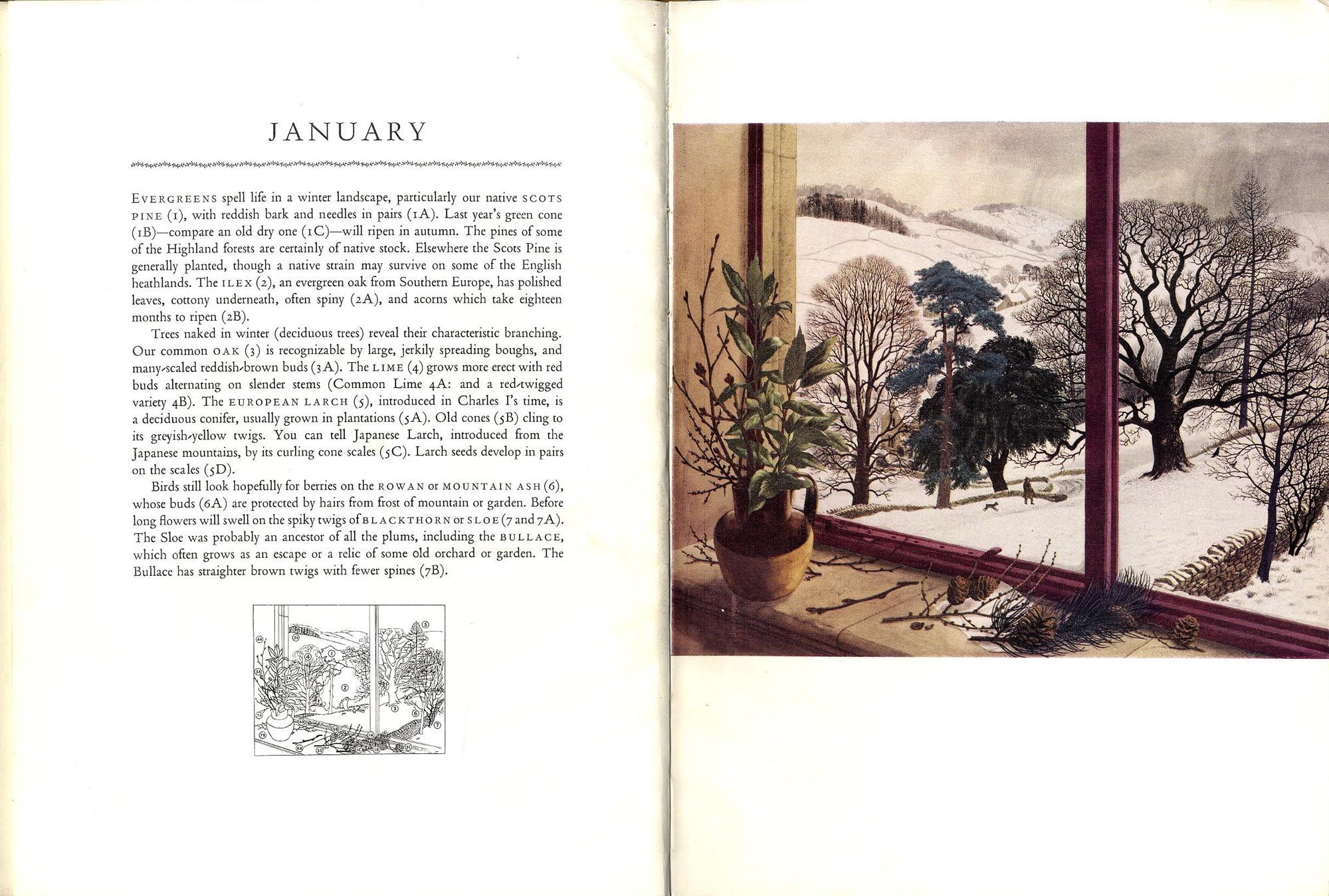
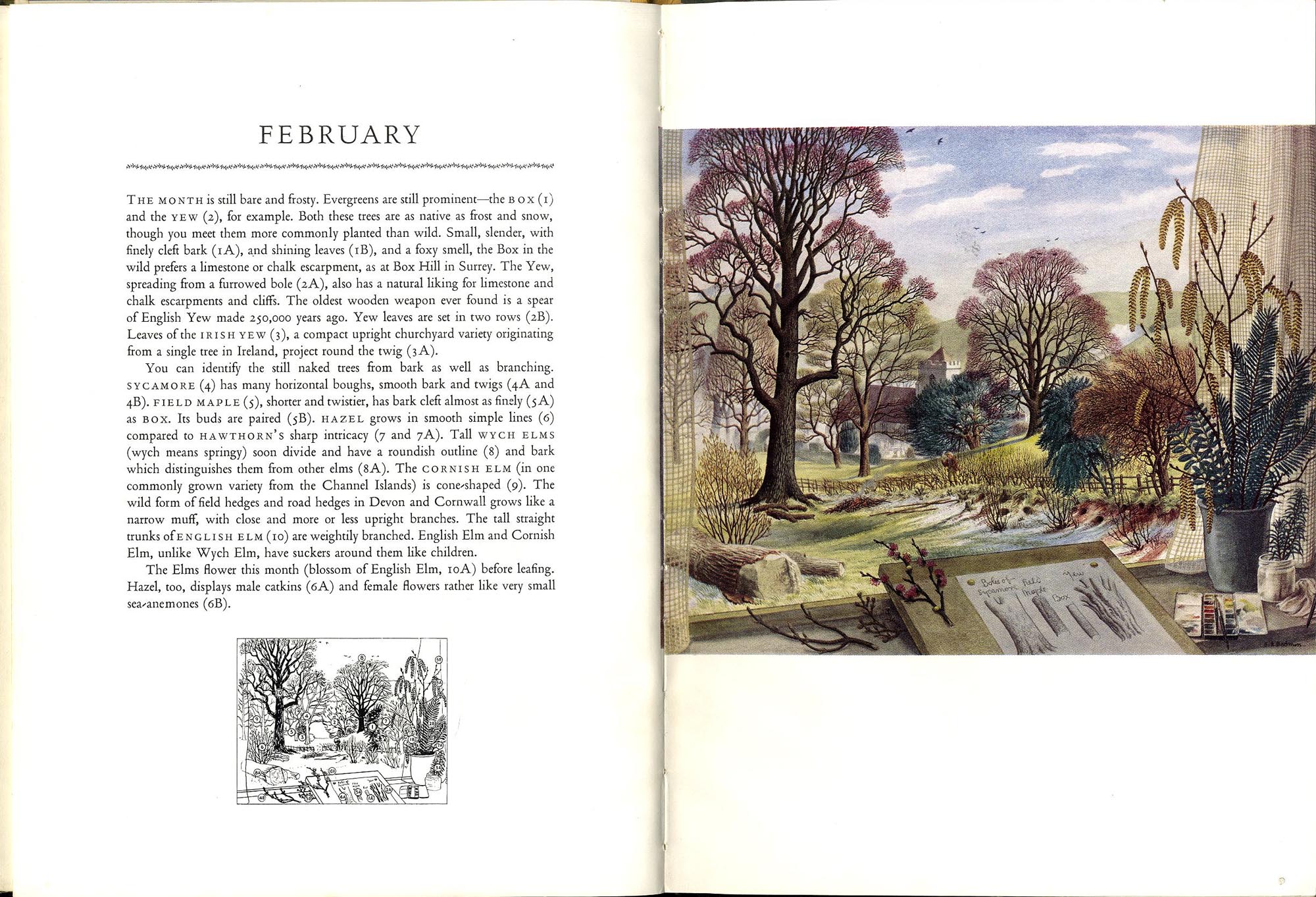
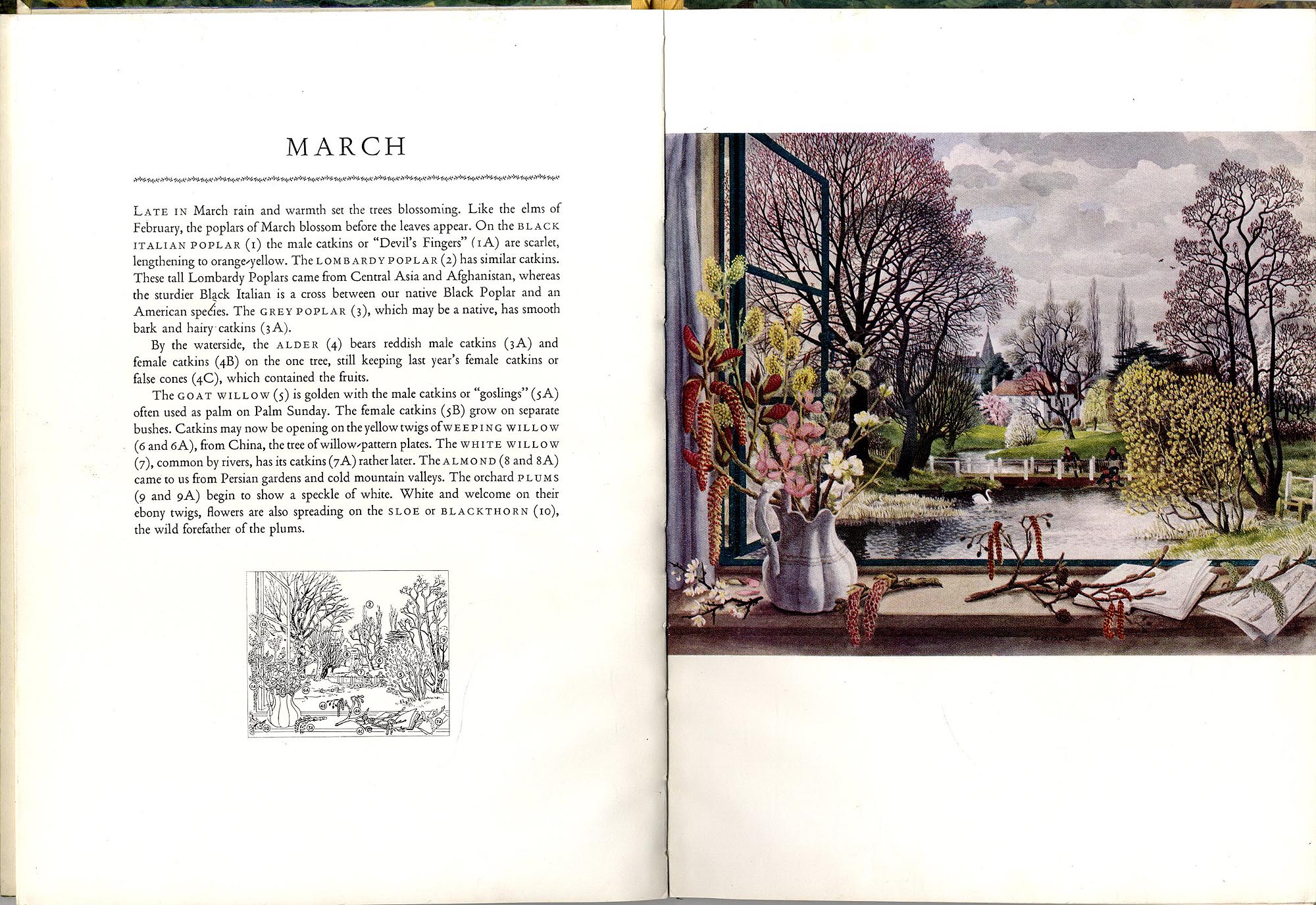
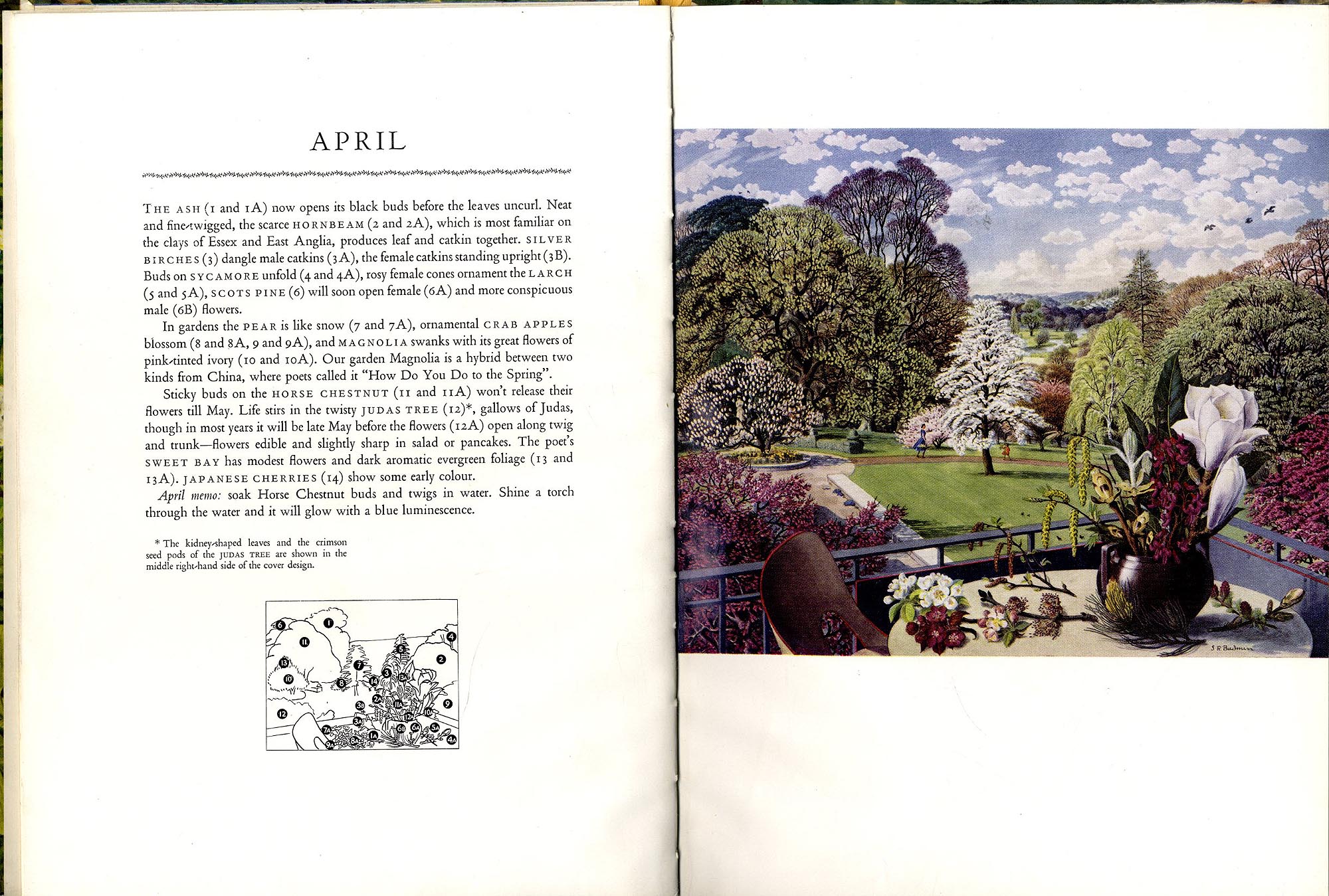
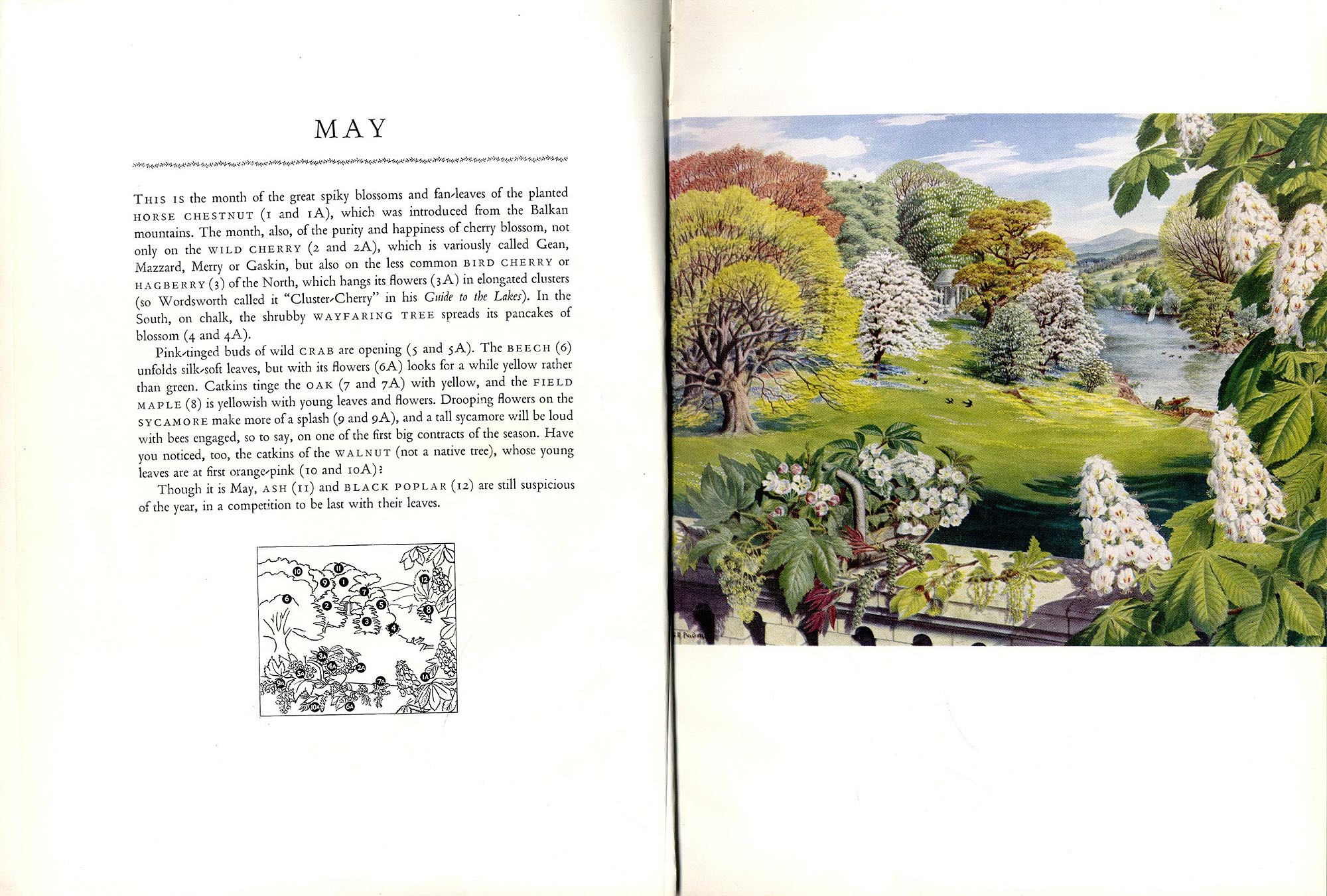
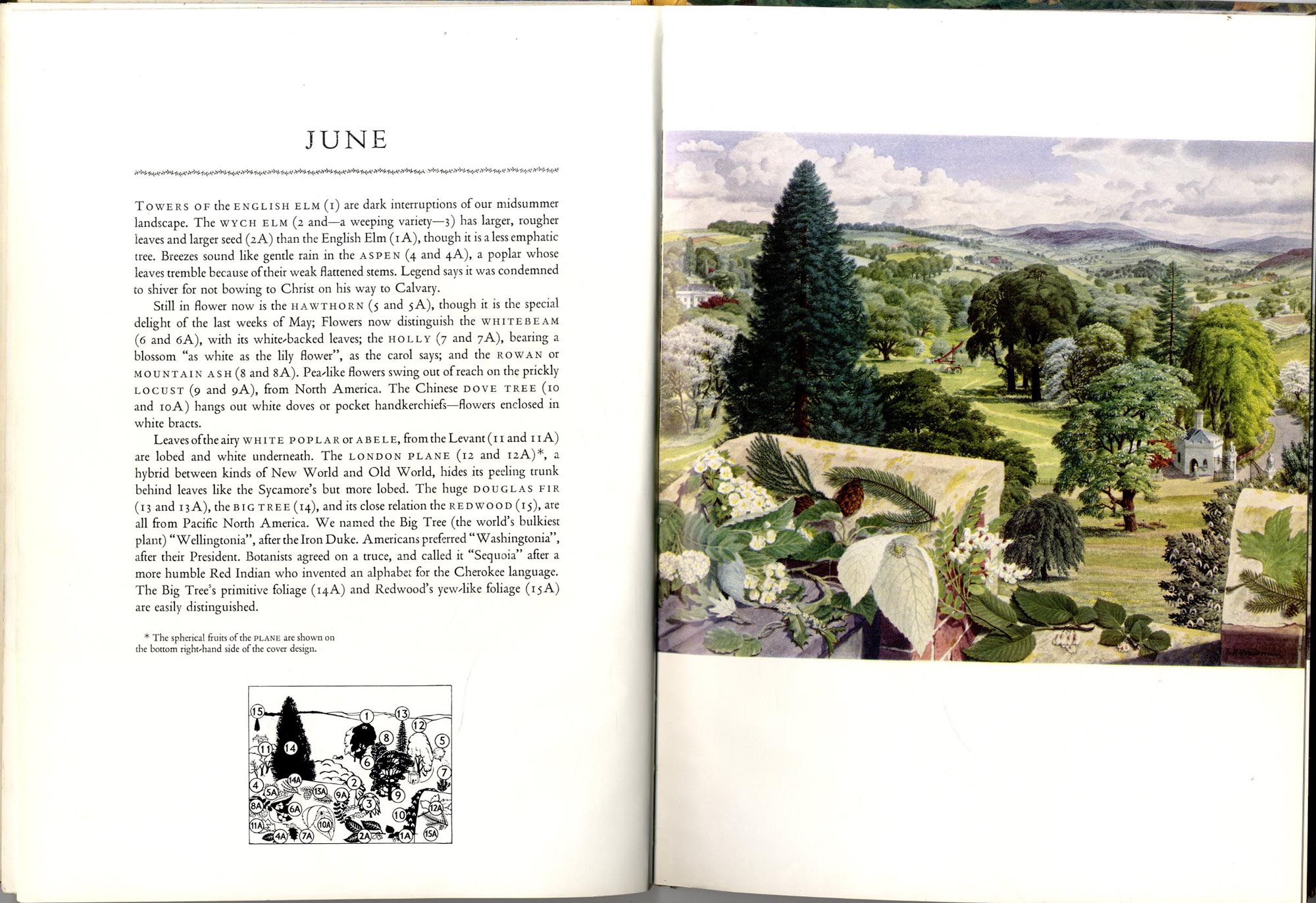
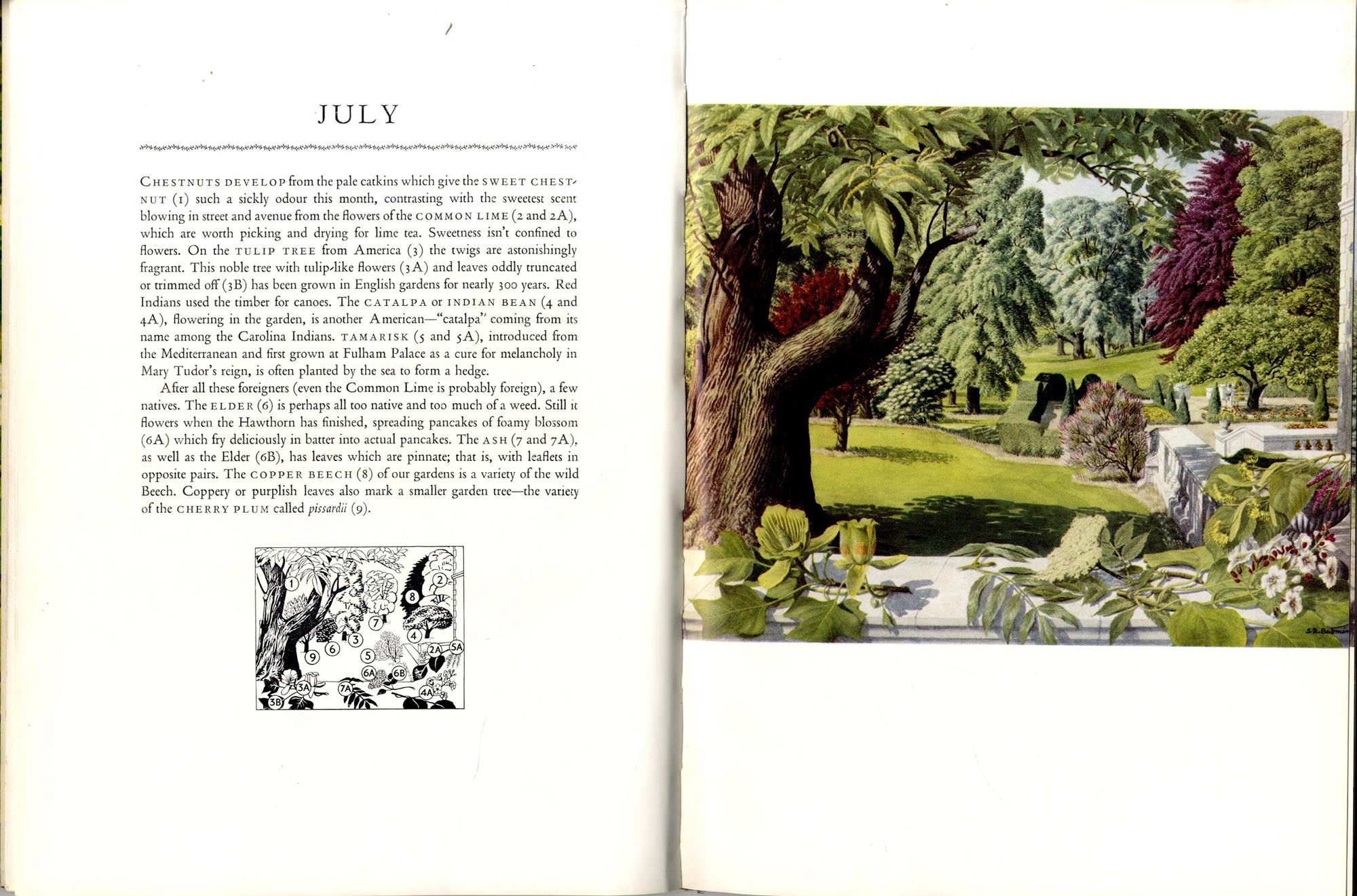
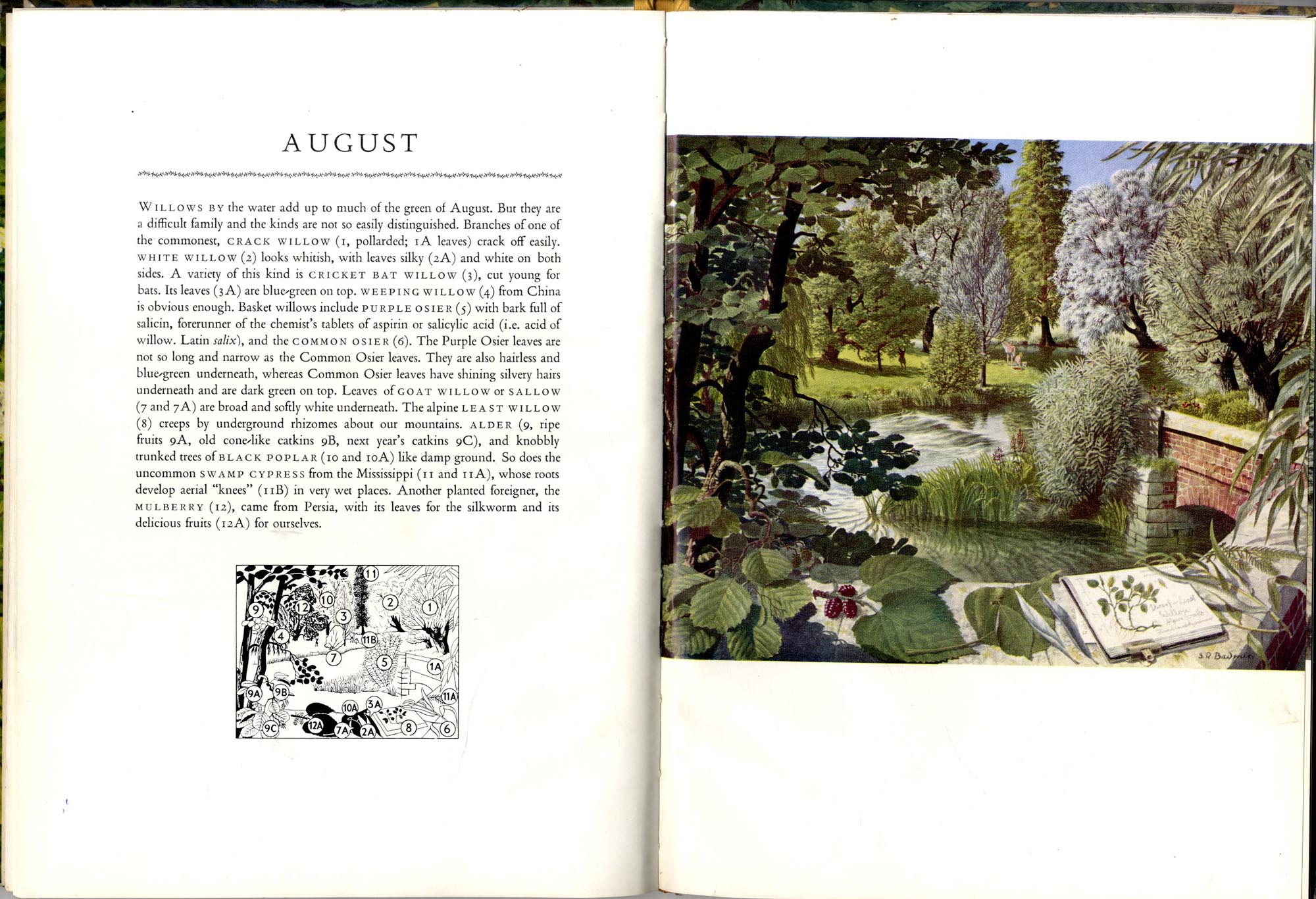
"February" by Stanley Roy Badmin RWS

At the Watercolours and Works on Paper Art Fair today I saw a painting called "February" by Stanley Roy Badmin RWS (!906 - 1989)

February by Stanley Roy Badmin
I was reminded that his paintings used to be used for the series of Shell maps and the Shell Posters The Key to the Countryside which were produced when I was a child.  We used to have them up in my classroom at primary school.
Stanley Badmin was born in London. He studied at Camberwell College of Arts and at the Royal College of Art from 1924-1928. He taught at various London art schools, including Central School of Arts and Design from 1954. His work was based on the English countryside and the rural way of life, worked mainly in watercolour and pen and ink. His engravings had a distinctive carefully wrought style. Badmin contributed to numerous books, including Trees in Britain, published in 1943 by Puffin Picture Books, periodicals, adverts and posters for London Transport and Shell amongst others.
British Council - Stanley Roy Badmin
It's amazing how one painting takes you right back.  Particularly because I always used to enjoy his illustrations of the countryside.

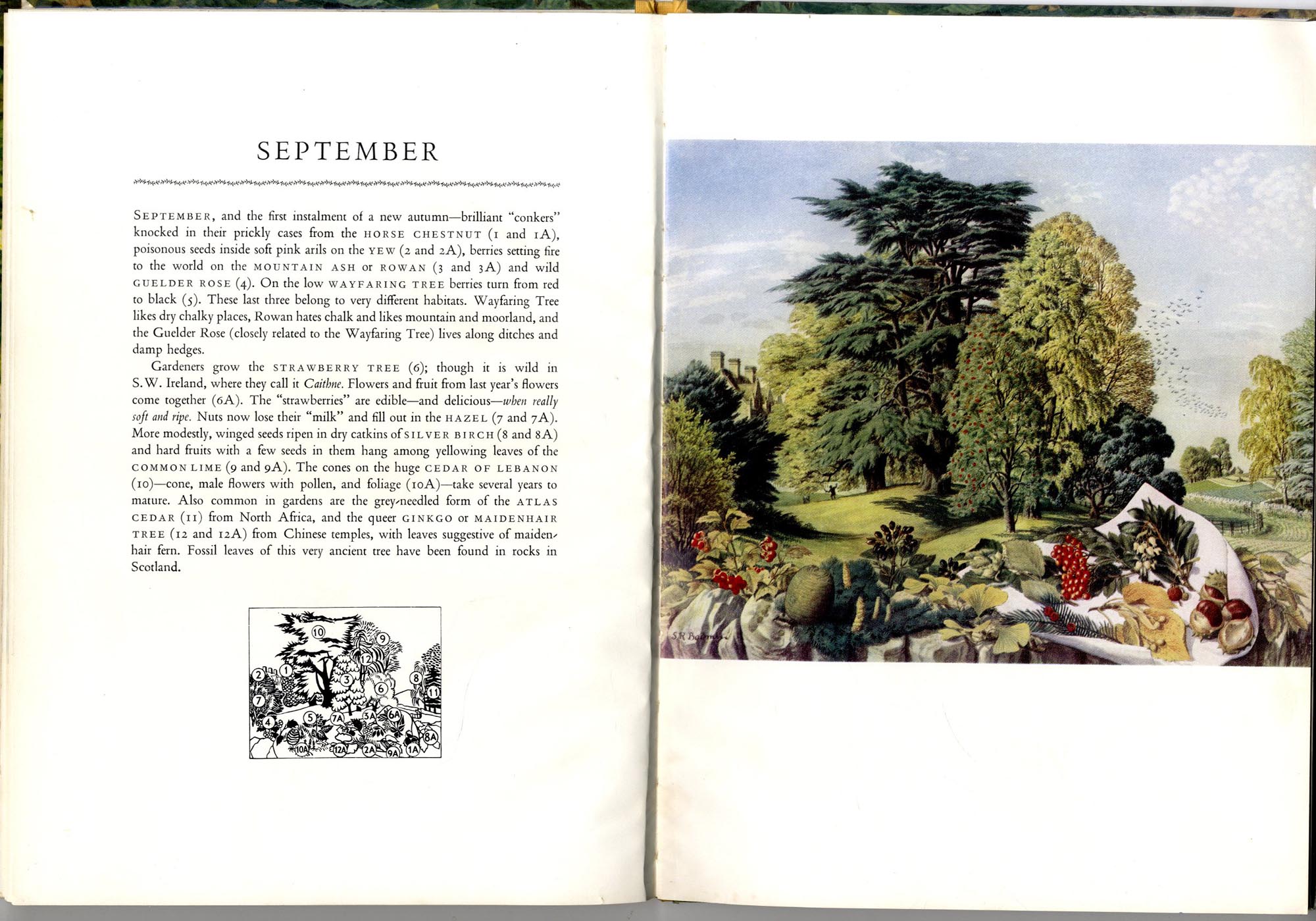
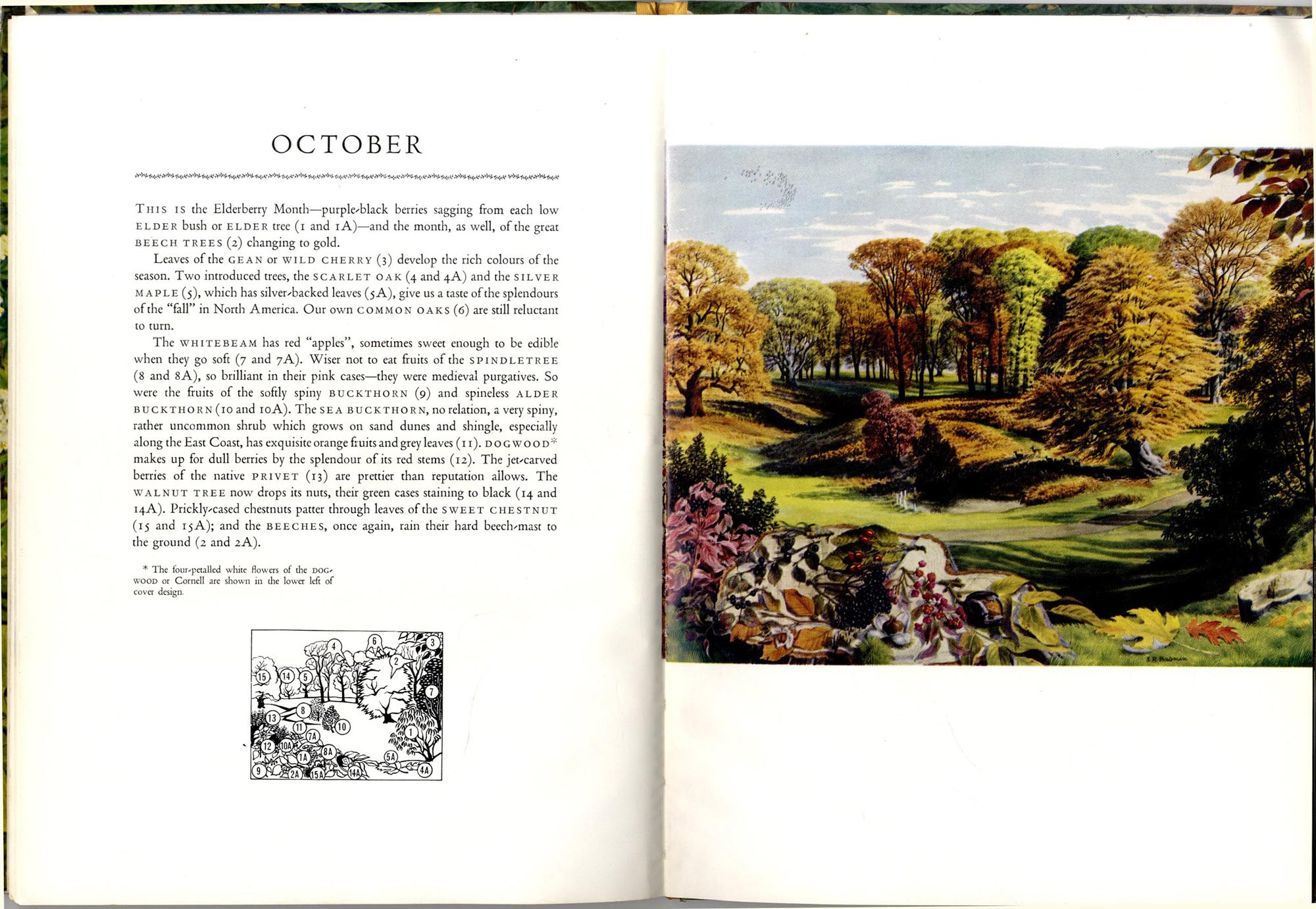
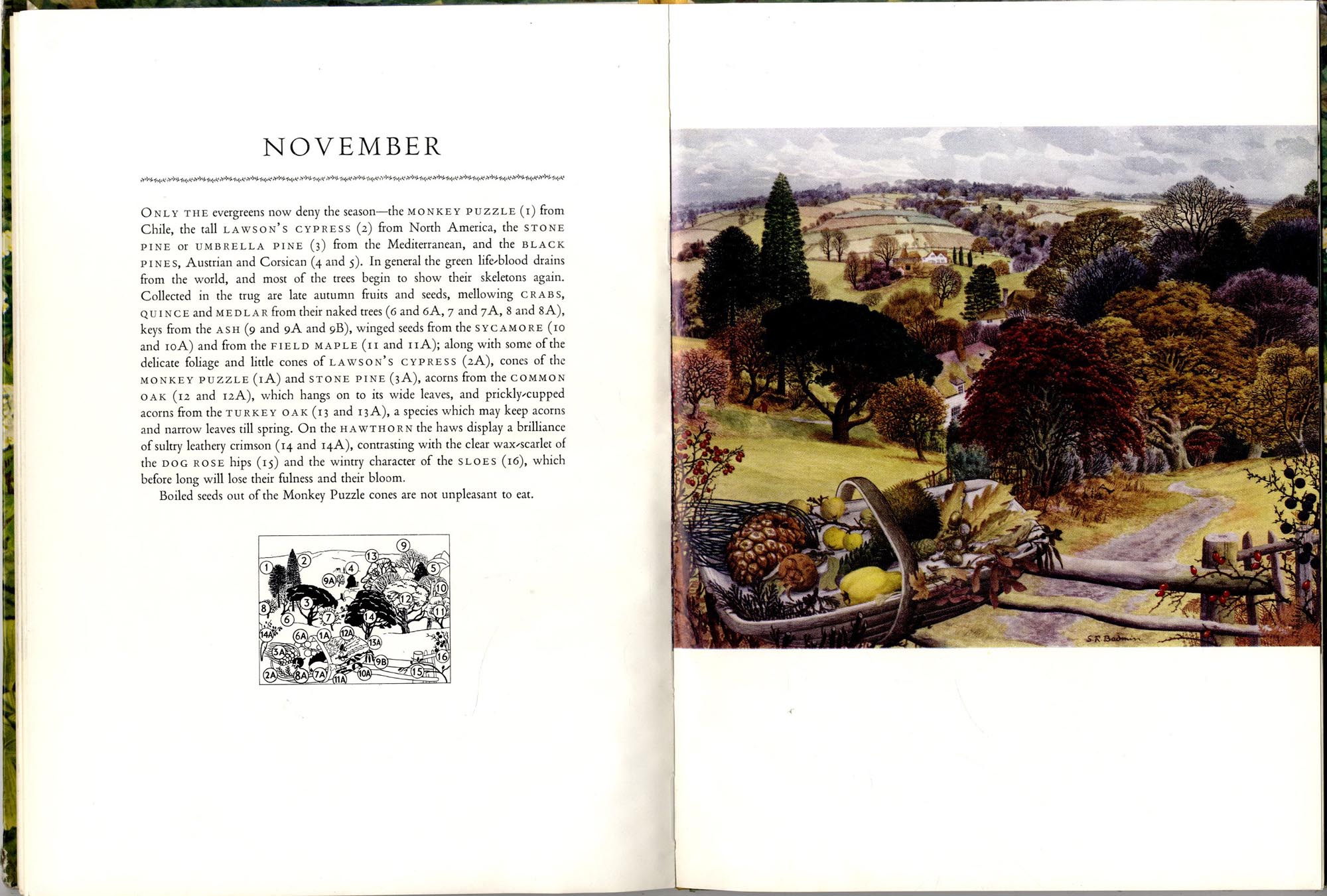
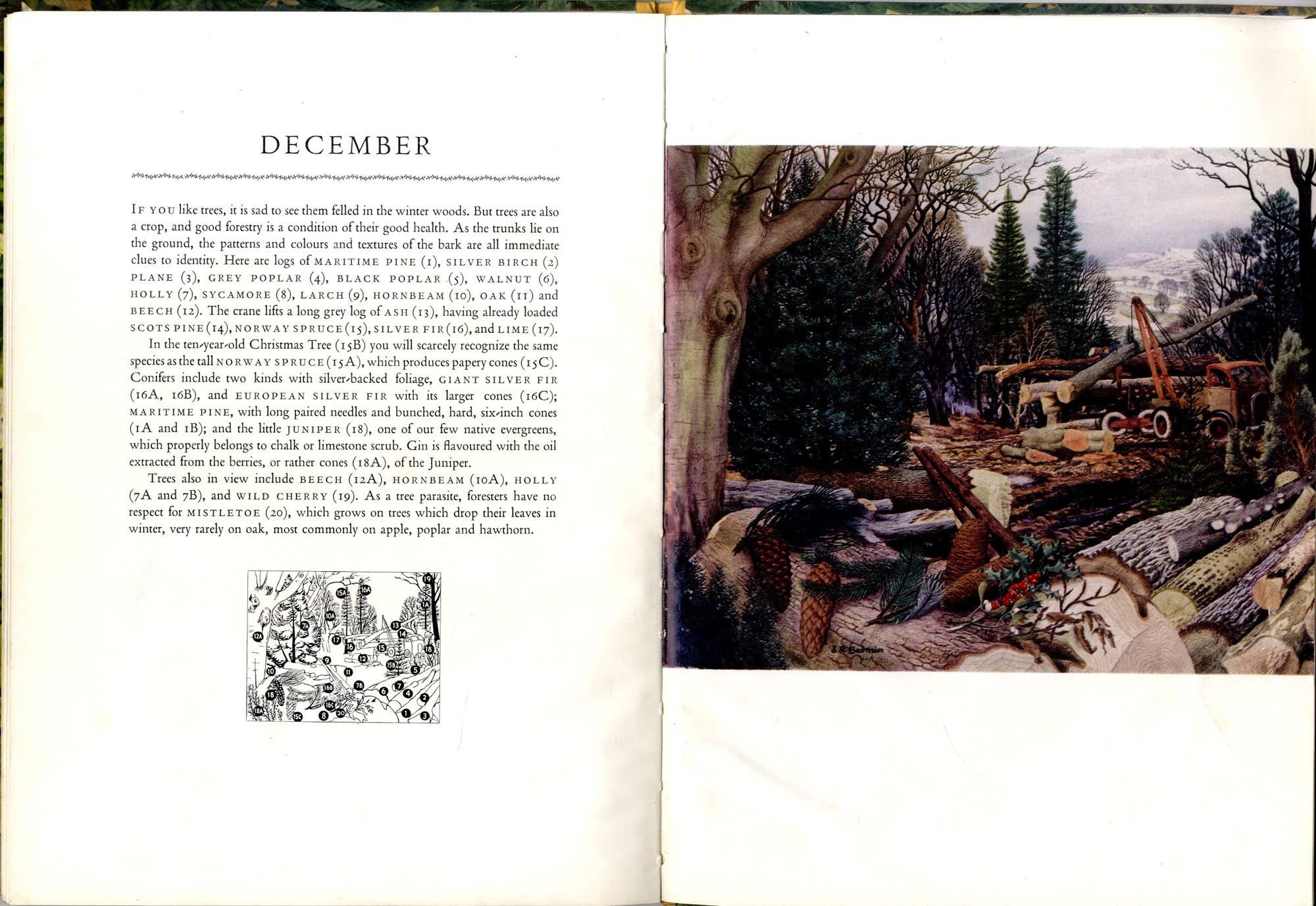
His painting was very much rooted in the English countryside and his particular area of expertise was portraying all the different species of trees.  He produced the Ladybird Book of Trees, a Puffin book called Trees in Britain and a book called The Shell guide to Trees and Shrubs  - in which this painting illustrated February.

I found a very good version of it online and here are the links to every month - each with a different landscape of trees - enjoy!

I've just ordered a copy of this delightful book from Amazon!

There are some links below which tell you more about this very English watercolour painter of the English landscape.

Links:

Saturday, 12 November 2011

Autumn Landscape by Vincent van Gogh

Autumn Landscape (October/November 1885) 
by Vincent van Gogh
oil on canvas laid down on panel, 67cm x 88cm
Location: Fitzwilliam Museum, Cambridge

I found this painting by Van Gogh interesting for two reasons.

First I'd never ever have guessed it was a painting by Van Gogh.  I'm familiar with his drawings from his time in the Netherlands - see Van Gogh: Drawing Landscapes (Making A Mark 14.2.07) but wouldn't immediately connect the style in those drawings to his painting of these trees

However L'Allée en Automne (Autumn Landscape) is a painting in the Fitzwilliam Museum in Cambridge and is attributed to Van Gogh despite the apparent lack of a signature.

Second, the image of the painting in the Museum is much more subdued than the image on Wikipaintings - which is VERY red.  One wonders whether the latter is a copy from a Chinese Art sweatshop or just hyped up in Photoshop to make it look more interesting!  I've subdued this image and reproduced it at the top - but to my mind it still looks too red!

I am persuaded that the painting leans towards brown as, to my mind, all Van Gogh's Dutch paintings seem to lean towards brown.  This was BEFORE he discovered colour and whoever hyped up the wikipaintings version is probably not aware of how truly sombre his Dutch paintings are.  Whether the nature of the colour in his Dutch paintings was an actual colour choice or just a function of the paints he used - which may have lost colour over time - I'm not sure.  I rather suspect it might be a combination of the two.

We certainly all need to be aware that the art we see on the Internet is not necessarily the way the art looks in reality.  Of course, the image on the Fitzwilliam website could just be unnecessarily dull.  If that is indeed the case it certainly wouldn't be the first time I've seen a website image which doesn't look the same as the real thing.  However its colour and tone is much more like other Dutch paintings by Van Gogh that I've seen - and I think this image is much likely to be a true representation of what it actually looks like in reality.

Anybody seen the painting in the Fitzwilliam who knows the answer?

Anybody know why Van Gogh wasn't signing his paintings in 1885?

Are you surprised this is a Van Gogh?

For more about Van Gogh see my posts tagged Van Gogh on Making A Mark or my resource site set up when I was doing my project about his work Vincent van Gogh - Resources for Art Lovers

Saturday, 1 January 2011

Happy New Year! (plus a landscape art reading list)

Happy New Year to all subscribers to and readers of The Art of the Landscape.

Tomorrow this blog - and this project - is one year old.  This was the very first post on Saturday 2nd January 2010 - Introducing the The Art of the Landscape Project

A View in the Alps
John Ruskin - 1835
Private collection
Painting - watercolor
Height: 21 cm (8.27 in.), Width: 27.5 cm (10.83 in.)
Very early this morning we had a powercut in the area where I live.  This morning when I woke up I discovered they hadn't even started to fix the problem - which made a very grey day even greyer.   I couldn't see to read - having discovered last night that my torch wasn't where it should be!


Study of Gneiss Rock, Glenfinlass
by John Ruskin
Pen, brown ink, ink wash (lamp-back) and bodycolour,
47.7 x 32.7 cm.
Ashmolean Museum, Oxford, England

That's when I discovered that an ipad screen with a nice light background - such as can be found with a good downloaded book - doubles as a torch!  It certainly makes for very easy reading in the middle of a power cut.

Which is how this morning I came to be reading an ibooks version of John Ruskin's The Elements of Drawing and most particularly how to draw trees and landscapes while I ate breakfast.   

(In brief, Ruskin was the man who championed the landscape art of JMW Turner and fostered the development of the Pre-Raphaelite movement.  He also was an inspiration for the Arts and Crafts Movement, the founding of the National Trust, the National Art Collections Fund, and the Society for the Protection of Ancient Buildings.)

When the power came back on I decided to see which other books were available through ibooks and discovered I could access a number of works including
Modern Painters (1843) is book on art by John Ruskin which argues that recent painters emerging from the tradition of the picturesque are superior in the art of landscape to the old masters. The book was primarily written as a defence of the later work of J.M.W. Turner. Ruskin used the book to argue that art should devote itself to the accurate documentation of nature. In Ruskin's view Turner had developed from early detailed documentation of nature to a later more profound insight into natural forces and atmospheric effects.

Ruskin added later volumes in subsequent years. Volume two (1846) placed emphasis on symbolism in art, expressed through nature. The second volume was influential on the early development of Pre-Raphaelitism. Ruskin also added third and fourth volumes in later years.

I then took at look at the Project Gutenburg site - and found that has a lot of his writing (and associated images) is available to download in various formats - see links at end for just some of them.

So one of my New Year's Resolutions will be to read Lectures on Landscapes!

The Field behind Ruskin's House at Denmark Hill by John Ruskin
1860. Watercolor.


This is what Wikipedia has to say about Ruskin's theories about art
Ruskin's views on art, wrote Kenneth Clark, "cannot be made to form a logical system, and perhaps owe to this fact a part of their value." Ruskin's accounts of art are descriptions of a superior type that conjure images vividly in the mind's eye.[10] Certain principles, however, remain consistent throughout his work, which Clark summarised as:
  1. Art is not a matter of taste, but involves the whole man. Whether in making or perceiving a work of art, we bring to bear on it feeling, intellect, morals, knowledge, memory, and every other human capacity, all focused in a flash on a single point. Aesthetic man is a concept as false and dehumanizing as economic man.
  2. Even the most superior mind and the most powerful imagination must found itself on facts, which must be recognized for what they are. The imagination will often reshape them in a way which the prosaic mind cannot understand; but this recreation will be based on facts, not on formulas or illusions.
  3. These facts must be perceived by the senses, or felt; not learnt.
  4. The greatest artists and schools of art have believed it their duty to impart vital truths, not only about the facts of vision, but about religion and the conduct of life.
  5. Beauty of form is revealed in organisms which have developed perfectly according to their laws of growth, and so give, in his own words, 'the appearance of felicitous fulfillment of function.'
  6. This fulfillment of function depends on all parts of an organism cohering and cooperating. This was what he called the 'Law of Help,' one of Ruskin's fundamental beliefs, extending from nature and art to society.
  7. Good art is done with enjoyment. The artist must feel that, within certain reasonable limits, he is free, that he is wanted by society, and that the ideas he is asked to express are true and important.
  8. Great art is the expression of epochs where people are united by a common faith and a common purpose, accept their laws, believe in their leaders, and take a serious view of human destiny.[11]

I'll finish with another winter landscape - this time by John Ruskin - painted from his home at Brantwood overlooking Coniston water in the Lake District. 

Study of Ice Clouds over Coniston by John Ruskin
    You can visit Brantwood - said to be the most beautifully situated house anywhere in the Lake District - between March and November. 

    It also has a regular schedule of art exhibitions - many of which relate to explorations of the wonderful Lake District landscape.

    Links: Project Gutenburg - files to download

    Saturday, 23 October 2010

    Places to Paint - Marine Scenes

    While visiting the Royal Society of Marine Artists - 65th Annual Exhibition 2010 (click link for my exhibition review) last week I made a note of all the places in the UK and overseas where people were painting marine scenes.  This was mainly because some of the names kept cropping up again and again.

    So, as a further development of my "places to paint" theme, here's the list of the marine places I saw paintings of in the exhibition - split between the UK and 'overseas'.  That's everything which includes tidal water.

    Two oil paintings of Cornish harbours 
    Mevagissey and Mousehole

    Also included are images of some of the very impressive figurative paintings of places in the UK which could be seen in the RSMA Exhibition this year.  The exhibition has now closed but will return to the Mall Galleries next year. 

    UK Marine Painting Locations
    Shadows and Reflections, River Wyre
    Watercolour by Keith Noble RSMA
    High Water, Polperro Harbour
    Oil Painting by David Curtis RSMA ROI

    Overseas Marine Painting Locations
    I've also commented in a previous post about a book British Painters of the Coast and Sea: A History and Gazetteer which I now own and which I need to get round to reviewing!

    For details of how to submit work to next year's exhibition of the Royal Society of Marine Artists:
    Links:
    • Marine Art - Resources for Artists  This lens provides information and advice from various websites for artists wanting to understand and draw and paint marine subjects, seascapes and waterscapes. 
    • The Best Books about Landscape Art  Do you want to learn about landscape art? Do you want to find out which which are the best books about painting landscapes? Do you want to know more about famous landscape artists?

      Friday, 30 April 2010

      Dutch Landscapes


      Diutch landscape paintyers have been very influential in terms of their influence over landscape painters who came after them - such as Turner and Constable.

      Today marks the opening of an exhibition of Dutch Landscapes at The Queen’s Gallery, Palace of Holyroodhouse in Edinburgh. The exhibition runs from 30th April 2010 until 9th January 2011.

      The exhibition will then transfer to and be shown at The Queen’s Gallery, Buckingham Palace from April to October 2011.
      an exhibition of 42 works that draws on the Royal Collection’s rich holdings of Dutch ‘Golden Age’ painting. By the 17th century, landscape painting was well established as a distinct art form and one in which Netherlandish artists excelled. Artists turned to the countryside and to the sea to convey a pride in their homeland – the newly formed Dutch United Provinces. While some painters looked to their native surroundings for subject matter, others found inspiration in the mountainous vistas and golden light of Italy.

      The exhibition includes outstanding examples by the great masters of landscape, including Jacob van Ruisdael, Aelbert Cuyp, Jan van der Heyden and Meyndert Hobbema.
      Two resources are available to those who can't visit the exhibition in person are:
      • the catalogue Dutch Landscapes by Desmond Shawe-Taylor, with contributions by Jennifer Scott (Royal Collection Publications, 176 pages, 110 colour illustrations). Exhibition price £14.95 from Royal Collection shops and online.
      • the exhibition microsite where images if the landscapes can be seen. This part of the site works very nicely. The images are none too big but they are well labelled and there is an explanation of each painting. There's a long or a summarised version depending on whether you want the emphasis on the text or the image.
      I'll have to wait to 2011 to se this but I'll certainly be visiting in when it comes to London.

      Thursday, 4 March 2010

      London Through the Eyes of Foreign Artists

      Townscapes are an important type of landscape. A series of talks seeks to inform about London Through the Eyes of Foreign Artists. These are organised by Gresham College which is an independent educational institution based in Barnard's Inn, Holborn.

      The first one, which I missed, was on Monday this week. Foreign Artists in 16th Century London was about the foreign artists, such as the German, Hans Holbein, and Netherlandish artists such as Hans Eworth and William Scrouts who were working in London in the sixteenth century.

      The next ones are much more about artists who have portrayed the landscape of London and in particular the River Thames.

      The cover of Canaletto
      by JG Links (Phaidon)
      .

      The book cover is part of a painting
      Canaletto, London, The City seen through one of the Arches of Westminster Bridge, c. 1746. Collection of the Duke of Northumberland


      Canaletto: Grand Designs is the title of a talk given by Martin Gayford at the Museum of London on Monday 8th March at 1.00pm
      In 1746 the great Venetian artist, Canaletto, moved to London following the market and wealth for his work. Nine years later, he left the city attacked by the critics as repetitive and a fake.

      What was 18th Century London like to be the centre of such hope and disappointment? How did Canaletto feel about the city, and how are we to assess these views today?
      Monet: The River of Dreams is a lecture by Professor John House (Walter H Annenberg Professor at the Courtauld Institute of Art) on 15th March at 1.00pm at the Museum of London.
      Claude Monet visited London numerous times between 1870 and 1901, painting some of his most important works in the city.

      Why was he repeatedly attracted back to the foggy and overpopulated urban capital when his impressionist work was otherwise so concerned with light and nature? What was the city like when he visited it in the 1870s and 80s? How was he received by the London art establishment at that time?
      The final lecture - which i'm less interested in is Feliks Topolski: Eye-Witness to the 20th Century

      Friday, 5 February 2010

      Used Books about Landscape Art

      Yesterday, I had a field day!

      After putting up the new artist bio labels on foamcore at our Drawing London Exhibition at the Barbican Library (see Alleyways and Waterways of London) I joined the Library after discovering (1) I could and (2) they have an excellent section on art books! In fact it's the best section about landscape art I have ever seen anywhere - including bookshops. (Have I told you how I'm constantly amazed by how there are never any landscape painting sections in bookshops stocking a good selection of art books)

      I came away with eight books - seven of which were about landscapes in one form or another.

      This morning I've ordered three of them plus one more by one of the authors from second hand booksellers. I am now convinced that one of the major sources of good books about landscape art are
      • very good libraries (which still stock old books) and
      • the second hand bookseller
      For information the books - which are all about british landscape art of one form or another - are:

      Art History - British Landscape Painting
      • British Landscape Painters: A History and Gazetteer (see right) by Charles Hemming - This is a really excellent book which I recommend very highly to those interested in the development of British landscape art. Now on order!
      • British Painters of the Coast and Sea: A History and Gazetteer by Charles Hemming (not seen but if it's as good as the one about landscape painterst then it should be excellent - now also on order.
      • Turner Sketches, 1789-1820 by: Gerald Wilkinson. A lovely little block chock full of reproductions of Turner's sketches from his travels in the UK and Europe. Theer's a narrative for each sketchbook. I ordered this one!
      • Unquiet Landscape - Places and Ideas in 20th century landscape painting by Christoper Neve. This book is descrived as a journey into the imagination through the English Landscape. He focuses on the motives, emotions, uncosnocious forces and contradictions involved in creating landscape art. Altogether he considers the work of about about 30 painters including Paul Nash, Eric Ravilious, Stanley Spencer, Ivor Hitches, Edwin Burra, Ben Nicholson, Joan Eardly and David Bomberg
      Art Instruction
      • The Challenge of Landscape Painting by Ian Simpson. So nice to read a book by an artist who has been a professional educator. He used to be the head of Central St Martins Art College in London. It includes interviews with interviews Roger de Grey, Lawrence Gowing, John Piper, Keith Grant, Derek Hyatt, Olwyn Bowey and Norman Adams. Great images and very interesting interviews. Recommended and I've now got this on order
      "If you are a painter this book aims first and foremost to improve your painting. If you are interested in landscape painting but not a painter yourself, it aims to increase your knowledge of how artists work and your appreciatian of landscape painting."
      • Landscape Drawing and Painting (A Studio book) by: John O'Connor. A little bit idiosyncratic and a tad old fashioned from a time when talking about drawing used to involve rather more words than is the current trend pushed by the publishers!
      A couple of others which I haven't looked at much yet
      • The Inspiration of Landscape - Artists in National Parks - by Brian Redhead
      • Townscape painting and drawing by JG Links
      In conclusion, I'm now quite certain see I'm going to become a major buyer of used books while researching my landscape art project.

      Long live recycling!

      (PS Apologies for the unannounced break from posting - I was much preoccupied with getting ready for the exhibition and getting my tax return filed on time. After which I developed what I referred to as my 'tax tick' in my left eye - and so I needed to take much longer breaks from the computer screen)

      Monday, 25 January 2010

      Which are the best books about Landscape Art?


      Do you want to learn about landscape art? Do you want to find out which which are the best books about painting landscapes? Do you want to know more about famous landscape artists? Introduction to The Best Books about Landscape Art
      One of the purposes of this project was to share our views about which are the most helpful art books for understanding landscape art and learning how to create it.

      As part of this project I've started a new resource site called The Best Books about Landscape Art. The books are organised according to two main themes
      • landscapes - art instruction
      • landscapes - art history
      At present, this is essentially a list of possible books. The list needs weeding and it needs good books added to it that I'm not aware of. Plus it also needs links to book reviews by anybody who would like to contribute one!

      This is the current listing of its contents. This will change over time as the resource develops.

      You can find out about...

      ...just click a link and go straight to that topic

      How you can get involved

      If you've already written a book review or would like to contribute one, take a look at the post over on Making A Mark Reviews about The Best Books about Landscape Art - A Review about how to contribute a book review.

      You can also express your views here as to what you think are the best books about landscape art

      So - what do you think are the best books about landscape art?

      Sunday, 24 January 2010

      Van Gogh's Palette 1882

      Van Gogh's Palette (Sketch in Letter 253)
      photo copyright Katherine Tyrrell

      Last Tuesday I found myself looking at an original letter by Vincent Van Gogh in which he had described the colours he had bought and had drawn a sketch of his palette (see above).
      Moreover, I now have all the essentials for proper painting. And a supply of paint — big tubes (which work out much cheaper than small ones), but you will understand that I’ve limited myself to simple colours in both watercolour and oil: ochre (red, yellow, brown), cobalt and Prussian blue, Naples yellow, terra sienna, black and white, supplemented with some carmine, sepia, vermilion, ultramarine, gamboge in smaller tubes.
      But I refrained from buying colours one ought to mix oneself.
      I believe this is a practical palette, with sound colours. Ultramarine, carmine or something else are added if absolutely necessary.
      Letter 253 To Theo van Gogh. The Hague, Saturday, 5 August 1882.
      You can see this letter and others in the exhibition The Real Van Gogh - the Artist and his Letters which opened to the public yesterday at the Royal Academy of Arts in London. It marks the publication of a new edition of the Van Gogh letters following a major research project.

      I posted an introduction to this on Making A Mark The Real Van Gogh at the Royal Academy. I'll be writing more about this exhibition on this blog and Making A Mark during the next week.

      What's interesting is that the letter lists the colours in dutch, the website translates this into English but the sketch lists the colours in French. Whcih rather suggests he was either buying supplies of French paint or the Dutch colourmen used the names established by the French.

      So far as I can make out from my photograph (with the aid of a colour chart of Sennelier oils in French) he lists the colours as follows (from left to right):
      • blanc d'argent
      • jaune de naples
      • ocre jaune
      • ocre rouge
      • ocre brûlée
      • terre de sienne
      • cobalt ou bleu de prusse
      • noir d'ivoire
      • vermillon
      The surviving letters written and received by Vincent van Gogh (1853-1890) are contained in a new edition of his letters which were published at the end of last year. It's the result of a project undertaken by the Van Gogh Museums which has lasted some 15 years.

      The letters are published:
      • in book format by Thames and Hudson - The Real Van Gogh: The Artist and His Letters by Nienke Bakker, Leo Jansen, Hans Luijte. This contains the original letter, a translation, notes about matters referenced in the letters and a facsimile image of the actual letter and images of all the original sketches and works to which they relate.
      • on a dedicated website run the Van Gogh Museum - Vincent van Gogh - The Letters. This also contains images of the work
      In traditional scholarly publishing terms, this web edition is a study edition. That is to say it is intended for Van Gogh specialists, art historians and literary scholars studying Van Gogh’s letters or work, and students of art history, the history of literature and allied disciplines.
      They are a fascinating read and I recommend them to anybody wanting to know more about how Van Gogh worked - and approached the business of painting landscapes.

      What do you think of his palette?

      Note: The Real Van Gogh - the Artist and his Letters
      • Opens to the public: 23rd January 2010
      • Closes: Sunday 18th April 2010
      • Open 10am - 6pm daily; Fridays open until 10pm; Saturdays open until 9pm.
      • All days last admission 30 minutes before closing time

      Thursday, 21 January 2010

      Landscape into Art by Kenneth Clark


      Landscape into Art by Kenneth Clark The Contents Page
      Landscape into Art by Kenneth Clark (later Lord Clark "of Civilisation" fame) is a classic book about the history and development of the landscape in art. I came across references to this book time and time again while doing my initial research about landscape art.
      `We are surrounded with things which we have not made and which have a life and structure different from our own: trees, flowers, grasses, rivers, hills, clouds. For centuries they have inspired us with curiosity and awe. They have been objects of delight. We have recreated them in our imaginations to reflect our moods. And we have come to think of them as contributing to an idea which we have called nature. Landscape painting marks the stages in our conception of nature. Its rise and development since the Middle Ages is part of a cycle in which the human spirit attempted once more to create a harmony with its environment.'
      Kenneth Clark
      You can read the 1949 edition of this book online on The Internet Archive. It also appears to be available to download from the Internet Archive. You can also now preview this book on Google Books - if you find the right link! Above is a screendump of the contents page.

      I have to get a 'proper' copy of this book not least because I love his categories of how landscape art works